Buying Guide: Selecting the Right Spray Equipment for Coatings
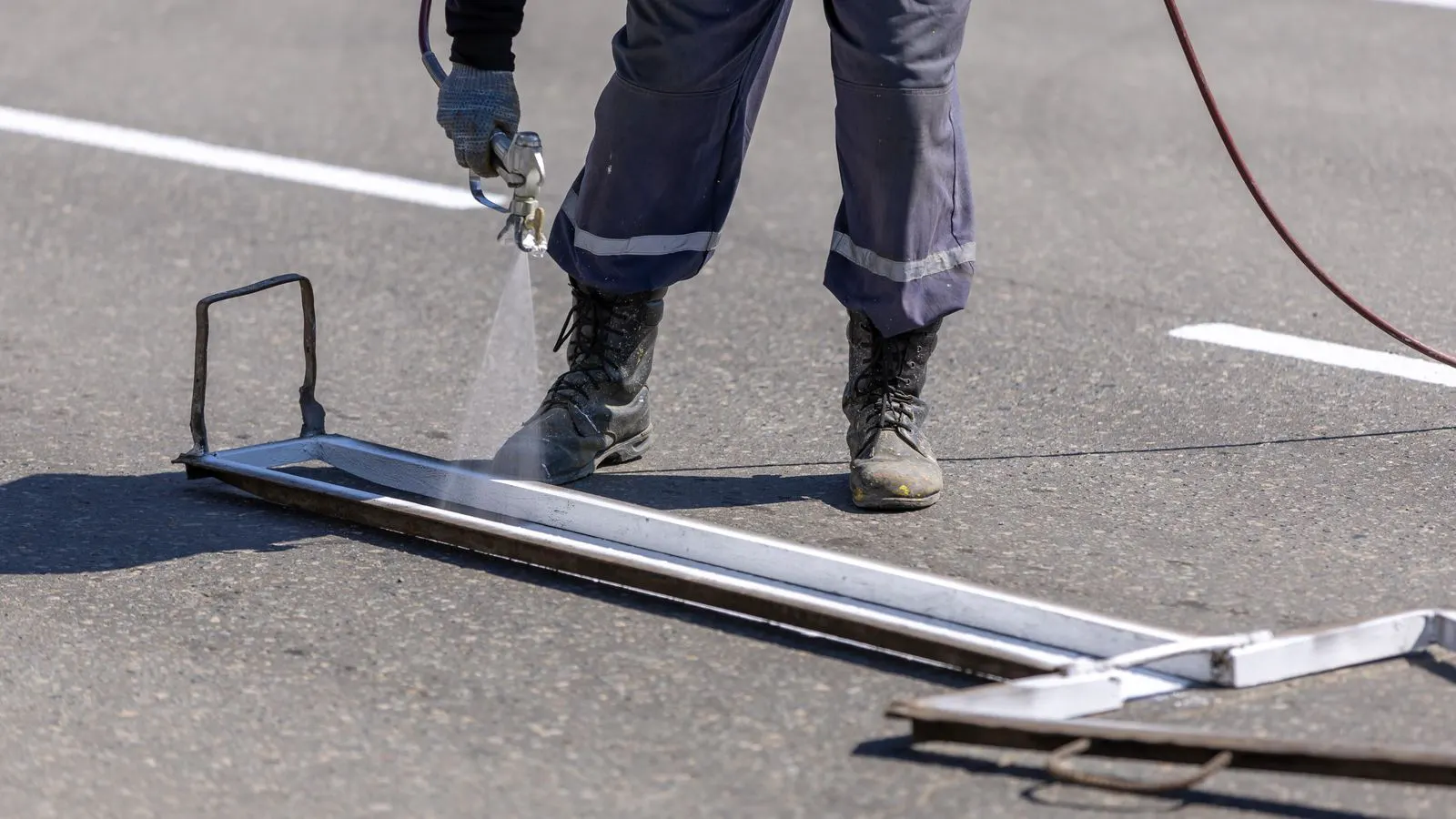
Select spray coating hardware by matching nozzle type, pressure range, and flow control to your specific substrate and finish requirements. Prioritize maintenance access, material compatibility, and operator safety over brand reputation when choosing application equipment.
- Match spray gun type to the viscosity of your coating and the surface you are treating.
- Verify that your compressor or pump pressure stays within the manufacturer's recommended range.
- Choose equipment with easy-to-clean nozzles to reduce downtime during changeovers.
- Test the spray pattern on a sample panel before committing to full production.
- Prioritize operator safety features like trigger locks and guard systems for high-pressure work.
Choosing the Right Spray Equipment for Industrial Coating Lines
The selection of spray hardware dictates the quality of the final finish. It also determines how much material is wasted and how often the line stops for repairs. A mismatch between the equipment and the coating creates a cascade of defects. An incorrect nozzle produces a pattern that is too wide or too narrow. An improper pressure setting leads to dry spray or orange peeling. These errors are visible to the customer and costly to correct.
This guide covers the technical decisions required when specifying spray application hardware. It focuses on the practical checks engineers and buyers must perform before committing to a purchase. The goal is to match the tool to the job without relying on vendor marketing.
What type of spray gun fits your coating?
The physical state of the coating determines the application method. High-solids epoxies and paste-like anti-corrosion materials behave very differently from water-borne primers. You must identify how the material breaks into droplets before selecting a machine.
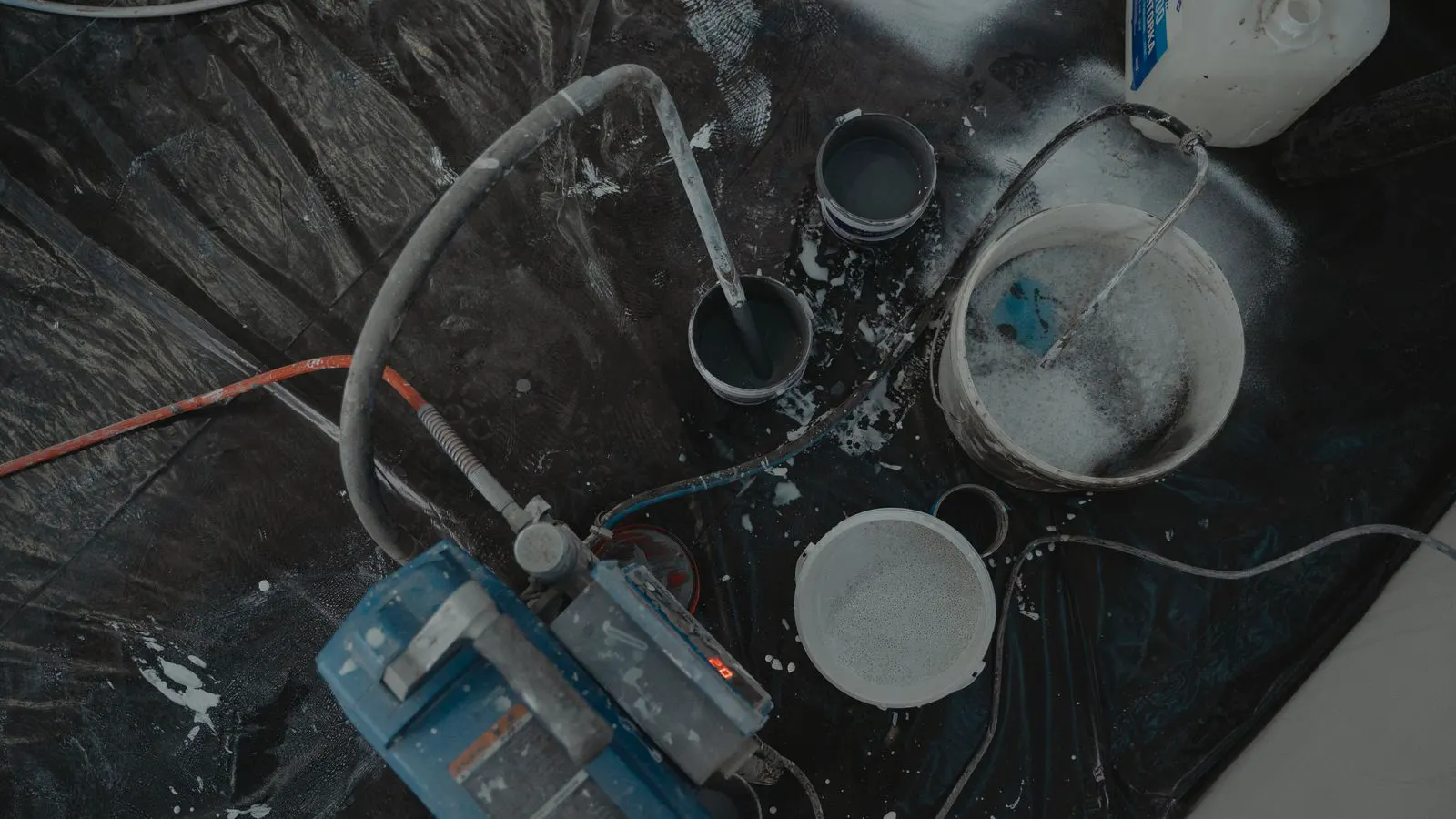
Airless spray guns force liquid through a small tip using high pressure. They handle viscous materials well. This method works for thick primers, heavy-duty anti-corrosion coatings, and high-build finishes. The pressure forces the liquid past the tip without the need for air. The result is a consistent film thickness even on complex shapes. The downside is the cleaning process. Residue in the tip causes clogging and inconsistent output. You need a dedicated solvent line for flushing. If the line is not cleaned immediately, the paint hardens inside the hose and tip.
Conventional air-spray guns use compressed air to atomize thinner liquids. They offer a finer mist and better control over edge coverage. They suit topcoats, clear coats, and thin primers. The air shears the liquid into fine droplets. However, they waste more material. Only a fraction of the sprayed paint lands on the target surface. The rest drifts into the air. This increases cost and creates ventilation requirements.
Electrostatic spray guns charge the paint atoms with electricity. The charged droplets bend toward the grounded workpiece. This method reduces overspray significantly. It works well for curved surfaces and complex geometries. The equipment cost is higher, and the setup requires a grounded substrate. If the part is not properly grounded, the droplets do not stick. They return to the gun or fall to the floor.
Check the viscosity of your material first. If it requires thinning to spray, the viscosity is too high for an air gun. If it is too thin for an airless system, it may not build the necessary film thickness. Measure the viscosity with a standard test cup or viscometer. Compare the reading to the manufacturer’s specification sheet.
How do you select the right pressure and flow rate?
Pressure and flow rate define the spray pattern. Too much pressure at low flow creates a wide, thin cone. Too little pressure creates a narrow, heavy stream. Both extremes cause defects. The wide cone wastes material on the floor. The narrow stream causes runs and sags on vertical surfaces.
Start with the manufacturer’s recommendation for your specific coating. Most coatings come with a suggested pressure range. This range accounts for the material’s thickness and the desired film build. Do not exceed the maximum recommended pressure. High pressure atomizes the paint too finely. The droplets lose momentum before they reach the substrate. This causes dry spray, where the paint lands before it fully atomizes. The result is a rough, textured surface that requires sanding.
Flow rate controls how much material exits the gun per minute. A low flow rate produces a precise pattern. It is suitable for detailed work and small parts. A high flow rate covers large areas faster but increases the risk of runs and sags. You must balance speed with quality.
For a production line, match the flow rate to your throughput. If you are spraying a small batch of parts, a lower flow setting allows more control. The operator can adjust the pattern by moving the gun. For a continuous conveyor, a higher flow rate keeps the pattern consistent as the parts move. The parts must not stop. If they stop, the wet coat accumulates and sags.
Set up your compressor or pump to deliver stable pressure. Pressure fluctuations cause the pattern to shift. A regulator with a gauge helps you monitor the output. Keep the pressure within the recommended range for the selected nozzle. A pressure drop causes the pattern to narrow. A pressure spike causes it to widen. Use a pressure gauge at the gun to verify the actual pressure. Do not rely on the gauge at the compressor.
What nozzle size should you choose?
Nozzle size affects the spray pattern width and the atomization of the coating. A larger orifice produces a wider pattern and a heavier mist. A smaller orifice creates a tighter beam. The orifice diameter is measured in millimeters or fractions of an inch. You must select the size based on the part size and the desired finish.
For general purpose work, a medium orifice often works well. It balances coverage speed with control. For detailed work or small parts, use a smaller orifice. This provides better edge control. For large flat panels, use a larger orifice to reduce the number of passes. Fewer passes mean less risk of lap marks, where the wet coat overlaps a slightly dry previous coat.
Consider the substrate. Porous surfaces absorb coating quickly. You may need a larger orifice to build film thickness faster. Non-porous metal surfaces repel the initial spray. A smaller orifice allows you to build up thin layers without runs. The metal may also be heated from the friction of the spray. This changes the drying time.
Test the nozzle on a sample panel. Spray a test pattern at the distance you plan to use in production. Check the edge coverage. If the edges are thin or dry, adjust the distance or the nozzle size. Measure the wet film thickness with a micrometer. Compare it to the specification. If the thickness is too low, increase the flow rate or move the gun closer. If it is too high, decrease the flow rate or move the gun further away.
How do you evaluate maintenance requirements?
Spray equipment is a maintenance-heavy part of your production line. Clogged nozzles cause downtime. Leaking seals waste material and create safety hazards. You must plan for the maintenance schedule before buying the machine.
Look for equipment with removable tips. A quick-release tip allows you to swap nozzles without disassembling the entire gun. This is critical during color changes or material switches. A standard change takes minutes. A full disassembly takes hours. The faster the change, the less downtime you experience.
Check the cleaning process. Airless guns require a dedicated solvent line for flushing. Conventional guns need a thorough wipe-down of the air cap and fluid tip. Electrostatic guns have sensitive charged components that require careful handling. The cleaning solvent must be compatible with the coating and the equipment seals. Some solvents damage the rubber seals inside the gun. Use a solvent that is approved by the equipment manufacturer.
Consider the availability of spare parts. If a specific seal or tip is hard to find, downtime increases when it fails. Choose equipment from a supplier with a reliable parts inventory. Ask for a lead time quote for the most common failure parts. If the lead time is long, stock enough spares to cover production delays.
Plan for regular inspections. Check the hose for abrasion or cracking. Inspect the trigger mechanism for wear. Verify that the grounding wire is intact on electrostatic systems. A loose grounding wire causes static buildup. The paint droplets fly away from the part instead of sticking.
What safety features should be included?
Spray equipment operates at high pressure. A leaking tip can cause severe injury. The coating fumes can also be hazardous to the operator. You must verify the safety features before installation.
Look for a trigger lock. This prevents accidental discharge when the gun is being carried. A safety interlock system can shut off the pump if the gun is not being actively used. This stops the flow if the trigger is released. It also stops the flow if the gun is placed down without being locked.
Protective guards are useful for high-pressure lines. A guard over the tip area reduces the chance of accidental contact. A hose clamp prevents the hose from whipping if it detaches. Check the hose for kinks. A kinked hose can burst under pressure.
Ventilation is critical. Ensure your spray booth or enclosure has adequate airflow. The equipment should be compatible with your existing ventilation system. If the coating contains volatile organic compounds, check the local regulations for emission limits. The ventilation system must capture the overspray before it reaches the operator’s breathing zone.
Operator training is part of safety. The gun should have clear labels indicating the maximum pressure and the required PPE. The operator must know how to lock out the equipment for maintenance. A lockout tagout procedure prevents accidental startup.
How do you match equipment to your production volume?
A small shop and a large factory need different equipment. The production volume dictates the scale of the hardware. You must match the tool to the workload.
For low-volume work, a handheld conventional gun is often sufficient. It is portable and easy to control. The operator can adjust the pattern by moving the gun. This setup works for custom jobs and small batches. The cost is low. The downtime is minimal.
For medium volume, an airless spray gun with a longer hose works well. It allows the operator to cover larger areas with less fatigue. The hose length should match the work area. If the hose is too short, the operator must move the pump. This causes pressure fluctuations. If the hose is too long, it drags on the floor and wears the outer layer.
For high-volume production, automated spray systems are more efficient. These systems use fixed gun positions or robotic arms. They provide consistent overlap and distance. The initial cost is higher, but the labor cost per unit drops significantly. The robot can repeat the same path thousands of times without variation. This eliminates the human error that causes defects.
Consider the space. A large spray gun with a long hose requires room to maneuver. A compact unit fits in a small bay. Measure the work area before buying the hose. Leave extra length for maneuvering. Do not stretch the hose to its limit. This causes the pressure to drop and the pattern to narrow.
Decision checklist
Before purchasing, verify the following:
- Material compatibility: Does the equipment handle your specific coating viscosity and chemical composition?
- Pattern control: Can the nozzle and pressure settings produce the required finish on a sample panel?
- Throughput: Does the flow rate match your production speed without causing defects?
- Maintenance: Are the tips and seals easy to replace, and is the cleaning process manageable?
- Safety: Does the gun include trigger locks, pressure relief, and adequate grounding?
- Support: Is technical support and spare parts available from the supplier?
Buying the wrong equipment is expensive to fix. Test the hardware on a sample before a full production run. The goal is a consistent finish with minimal waste and downtime.
Frequently asked questions
Can I use the same spray gun for different types of coatings?
Yes, but you must change the nozzle and clean the system thoroughly. Different coatings have different viscosities and chemical compositions that can clog or corrode internal parts.
How do I know if my compressor is powerful enough?
Check the compressor's CFM rating and compare it to the gun's requirement. The compressor must deliver enough air at the required pressure to atomize the coating properly.
What is the best distance to hold the gun from the surface?
The distance depends on the nozzle size and coating type. A general starting point is two to three times the nozzle diameter. Test this distance on a sample panel to check the pattern.
Is electrostatic spraying only for automotive work?
No. Electrostatic spray is used in industrial settings for metal parts, appliances, and furniture. It is effective for any grounded substrate where overspray is a concern.
How often should I replace the spray tip?
Replace the tip when the pattern becomes uneven or the flow rate drops. Wear depends on the material and the number of hours used. Inspect the tip regularly during maintenance.