Application Methods
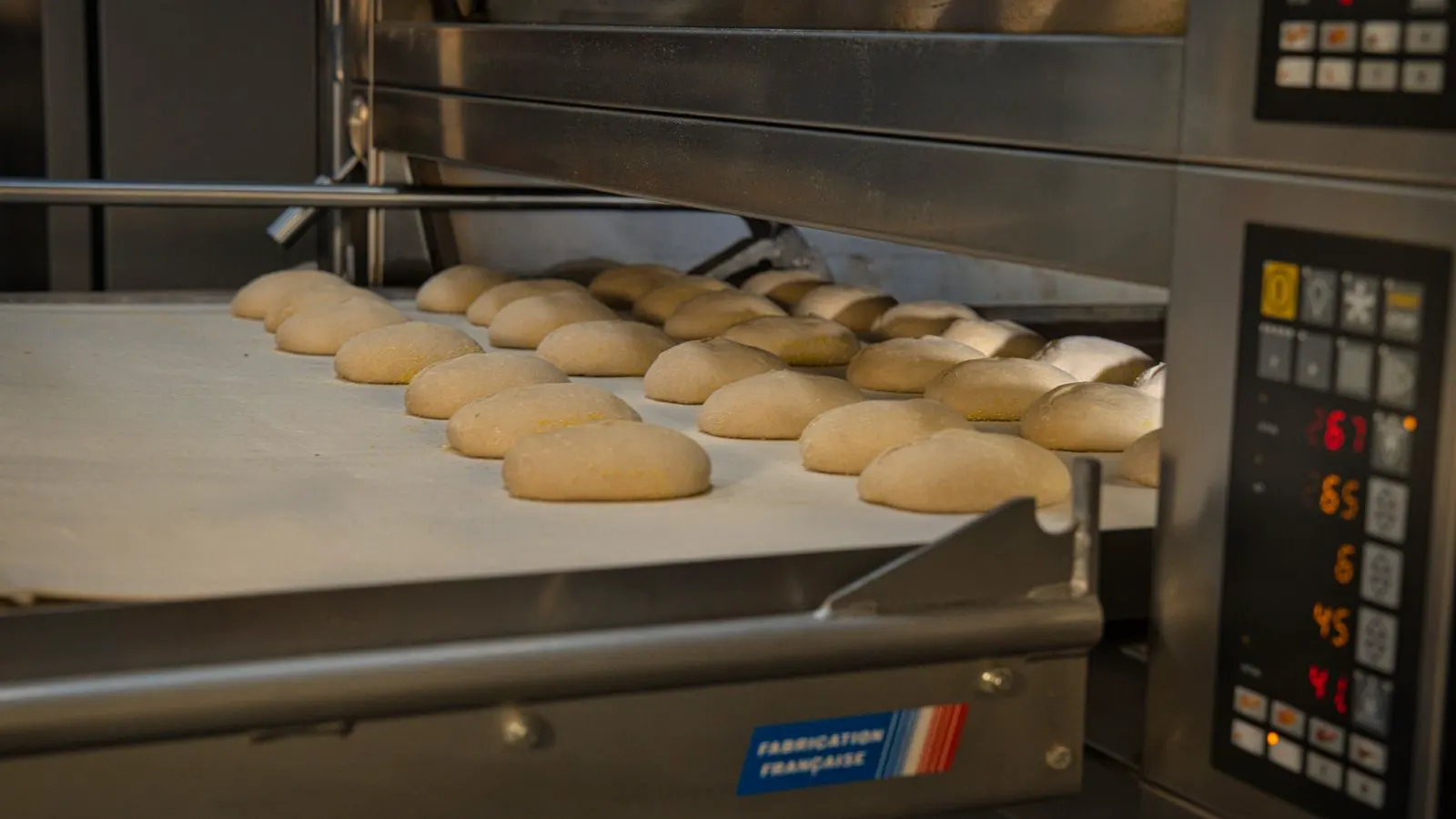
Curing Ovens vs UV Curing: Which Method Fits Your Line?
Choose between oven and UV curing based on line speed, material thickness, and energy costs. Oven curing handles thicker films and larger parts. UV systems offer faster
Understand spray, dip, roll, and other application techniques to improve coverage, adhesion, and finishing quality.
Choose between oven and UV curing based on line speed, material thickness, and energy costs. Oven curing handles thicker films and larger parts. UV systems offer faster
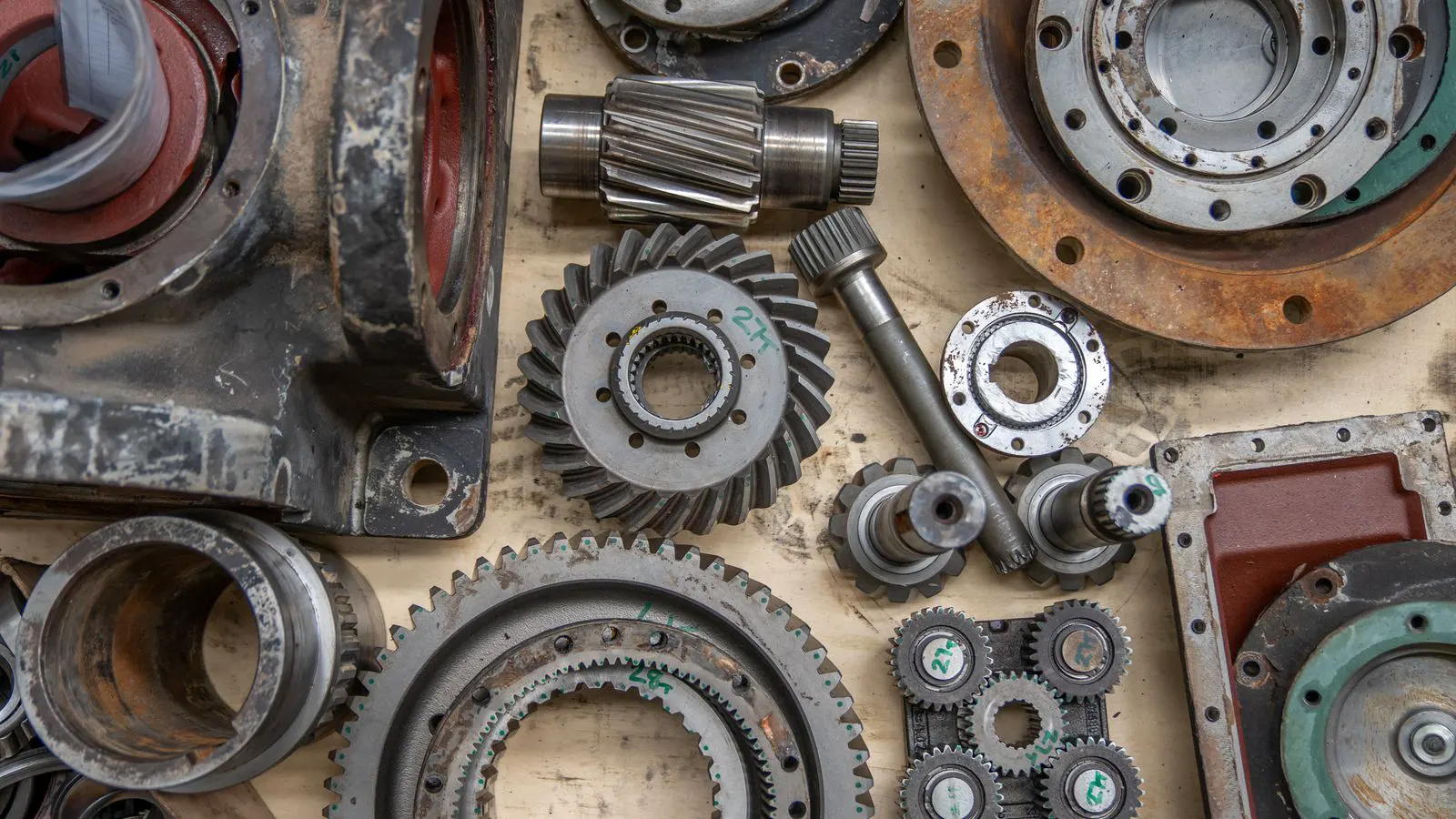
Spray coating works best for complex parts and high-volume lines, while dip coating suits uniform shapes with high consistency. The choice depends on part geometry
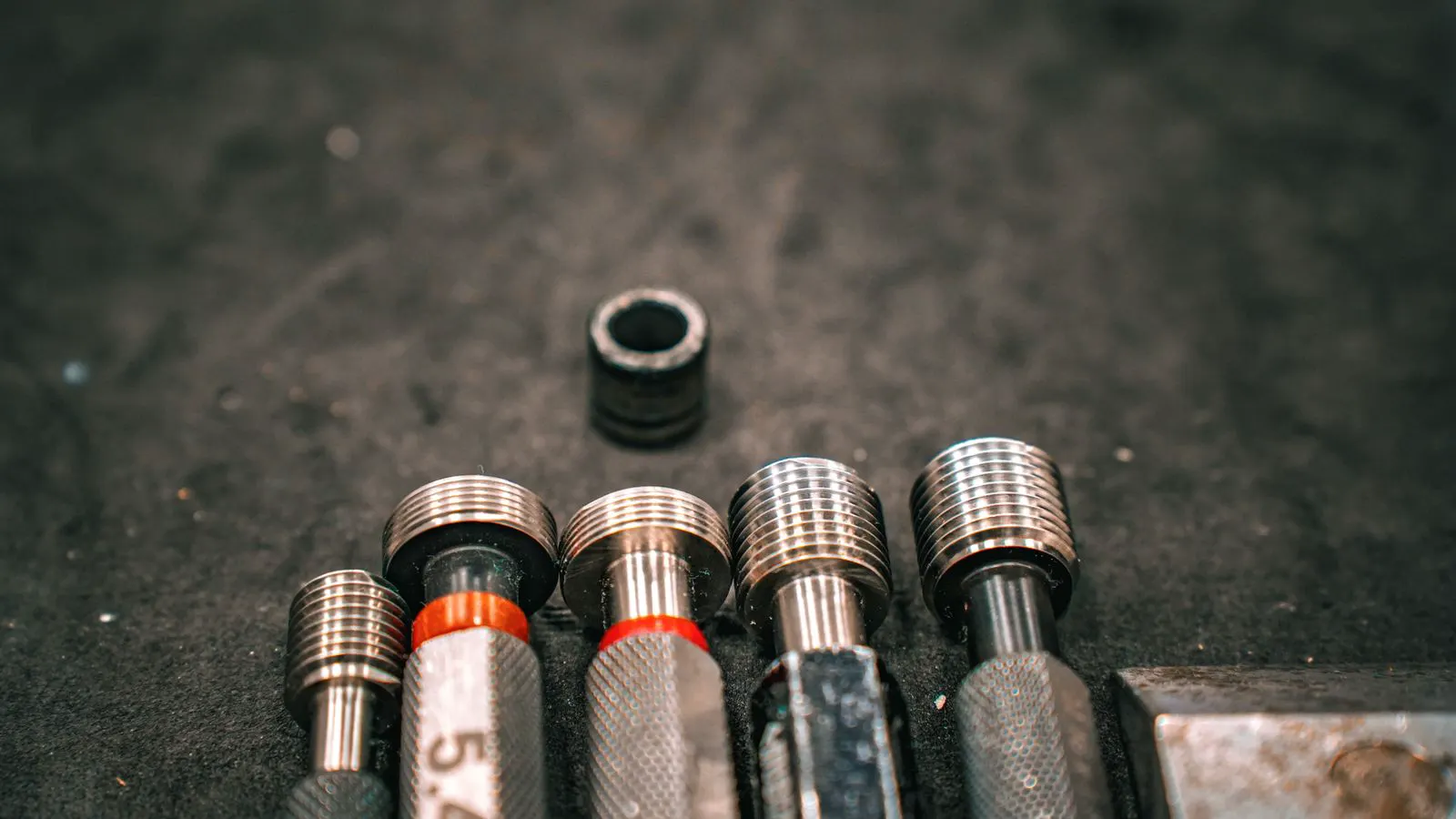
Poor adhesion in spray and roll coatings usually stems from poor surface prep, contamination, or mismatched system chemistry. The fixes focus on cleaning, proper

Spray coating offers flexibility but higher per-unit labor costs, while roll coating delivers speed and lower material waste. Understanding these factors helps buyers
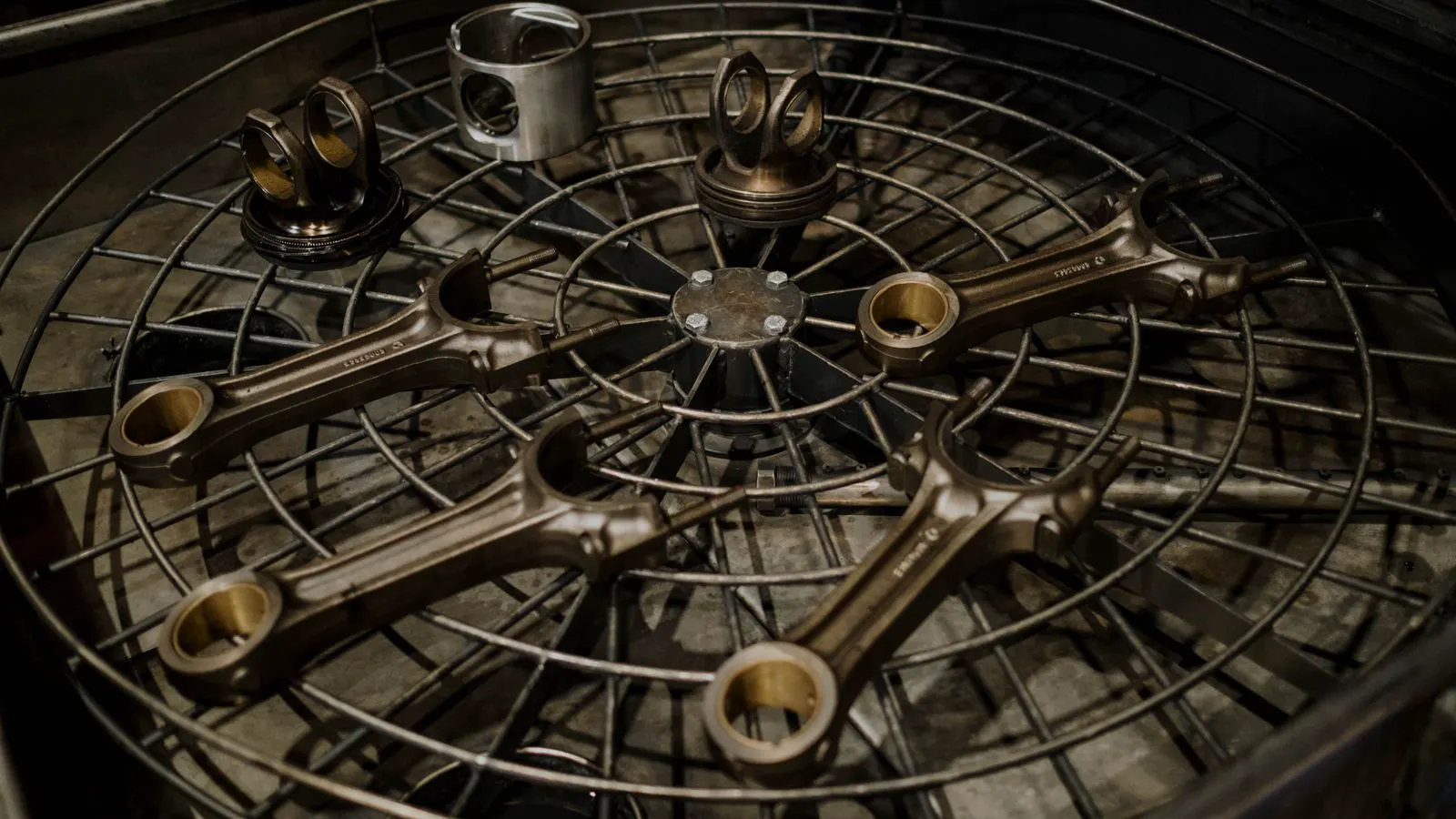
Dip coating involves immersing prepared metal parts in liquid coating to create a uniform protective layer. This industrial method ensures even film thickness on complex
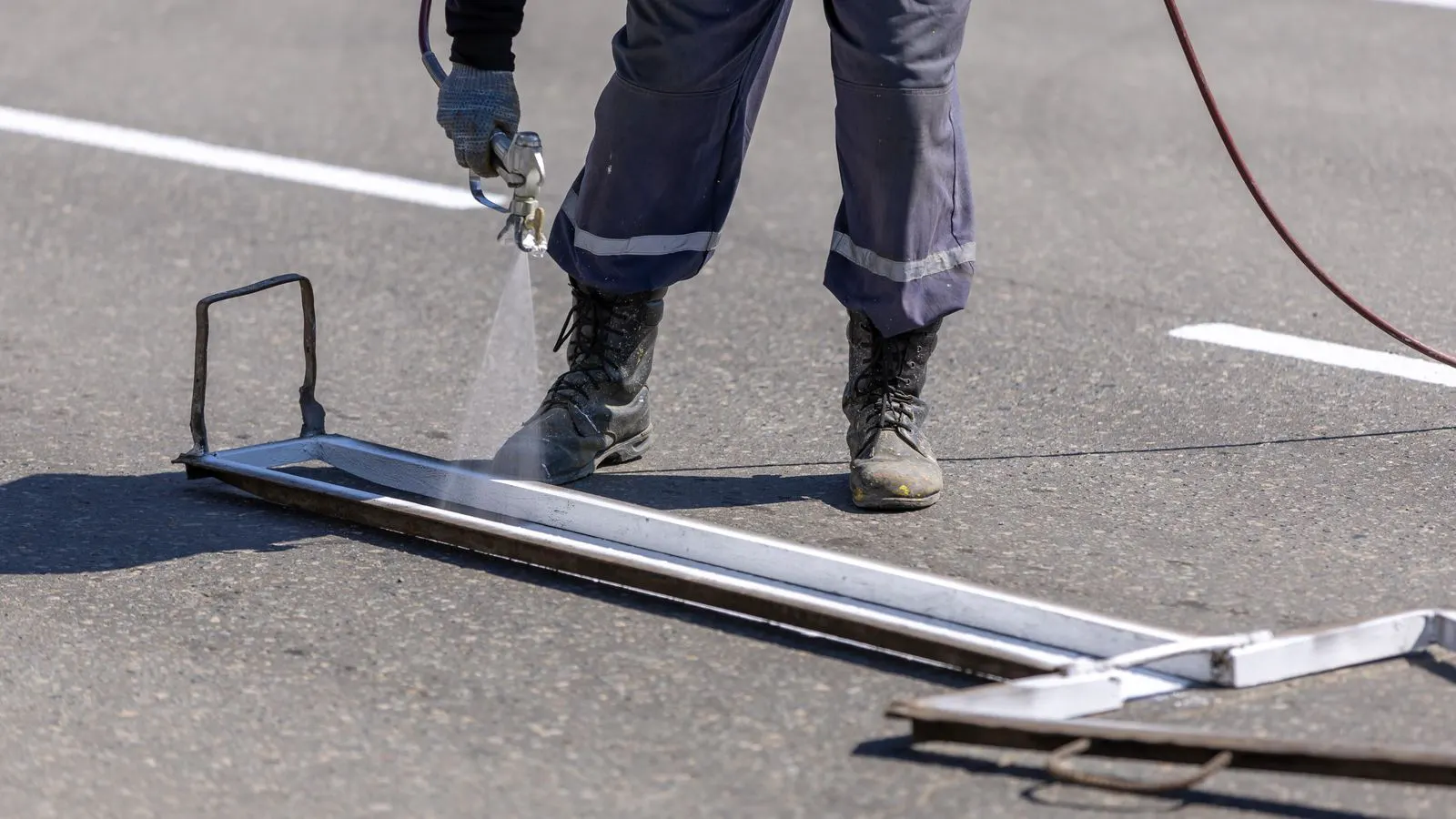
Select spray coating hardware by matching nozzle type, pressure range, and flow control to your specific substrate and finish requirements. Prioritize maintenance
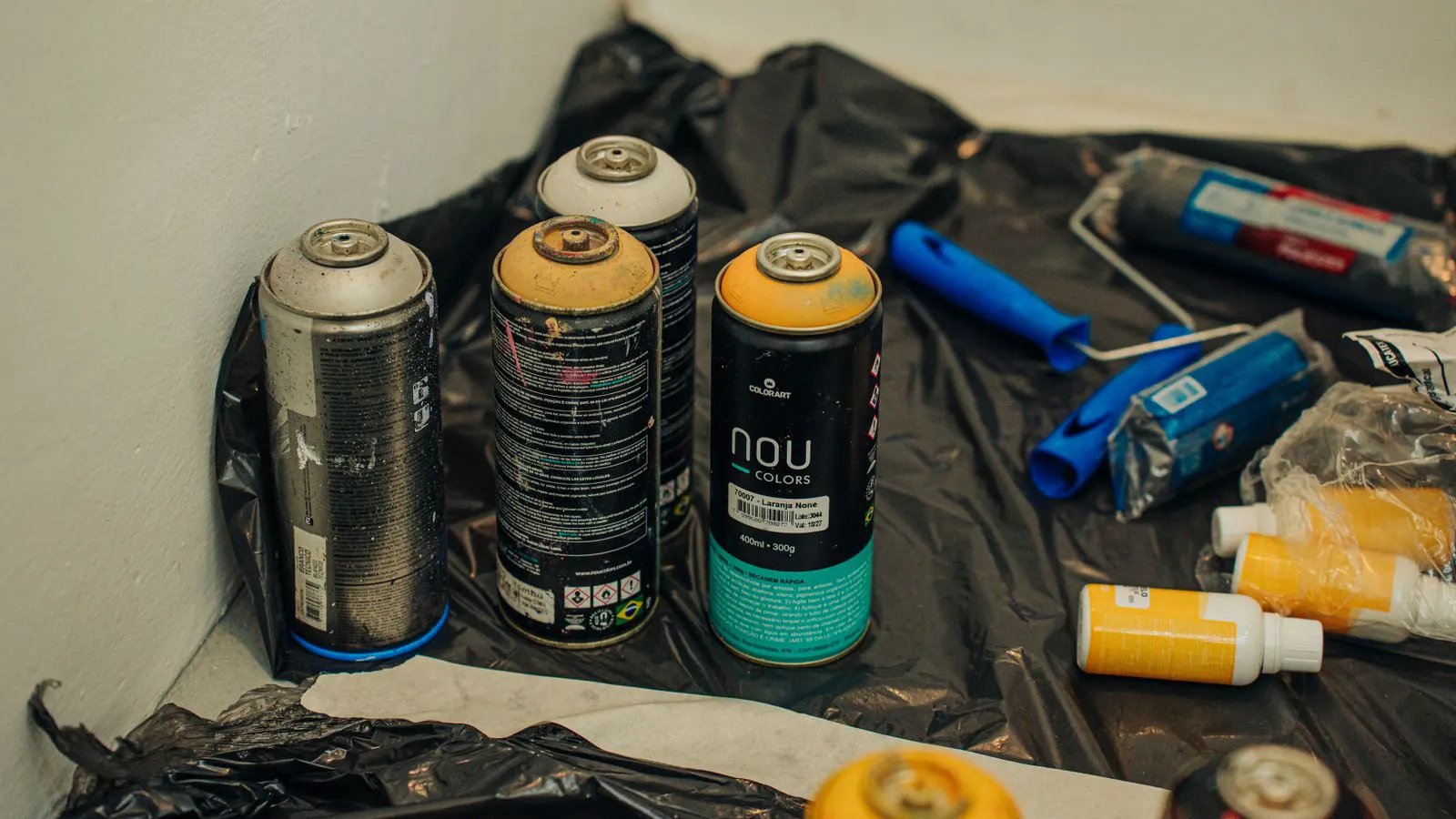
Spray coating transforms liquid paint into a fine mist that deposits on a substrate through air pressure or electrical force. The process depends on atomization, carrier
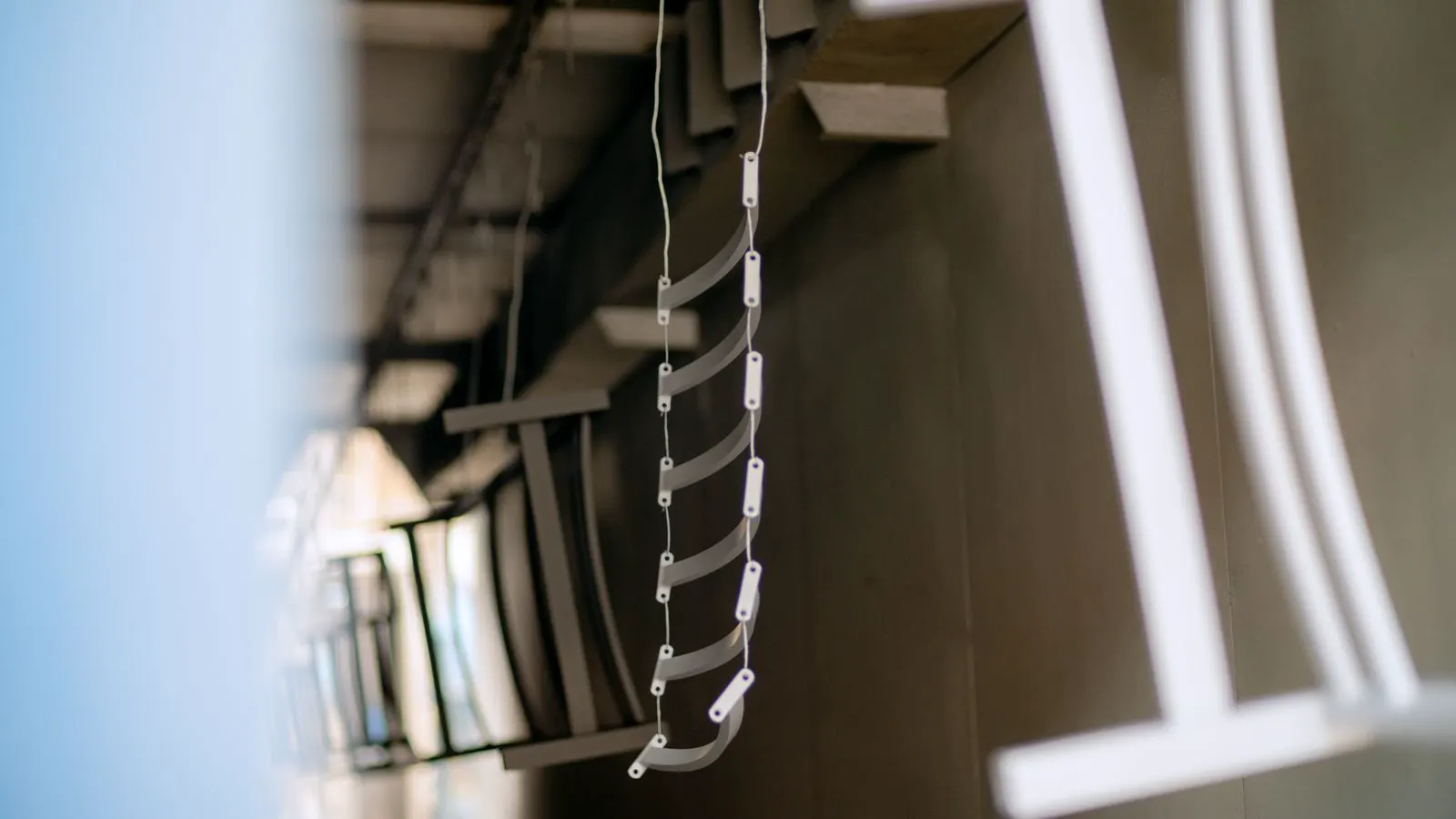
High-speed roll coating is shifting toward faster line speeds and lower-curing materials. Buyers should plan for tighter film thickness control, updated equipment specs
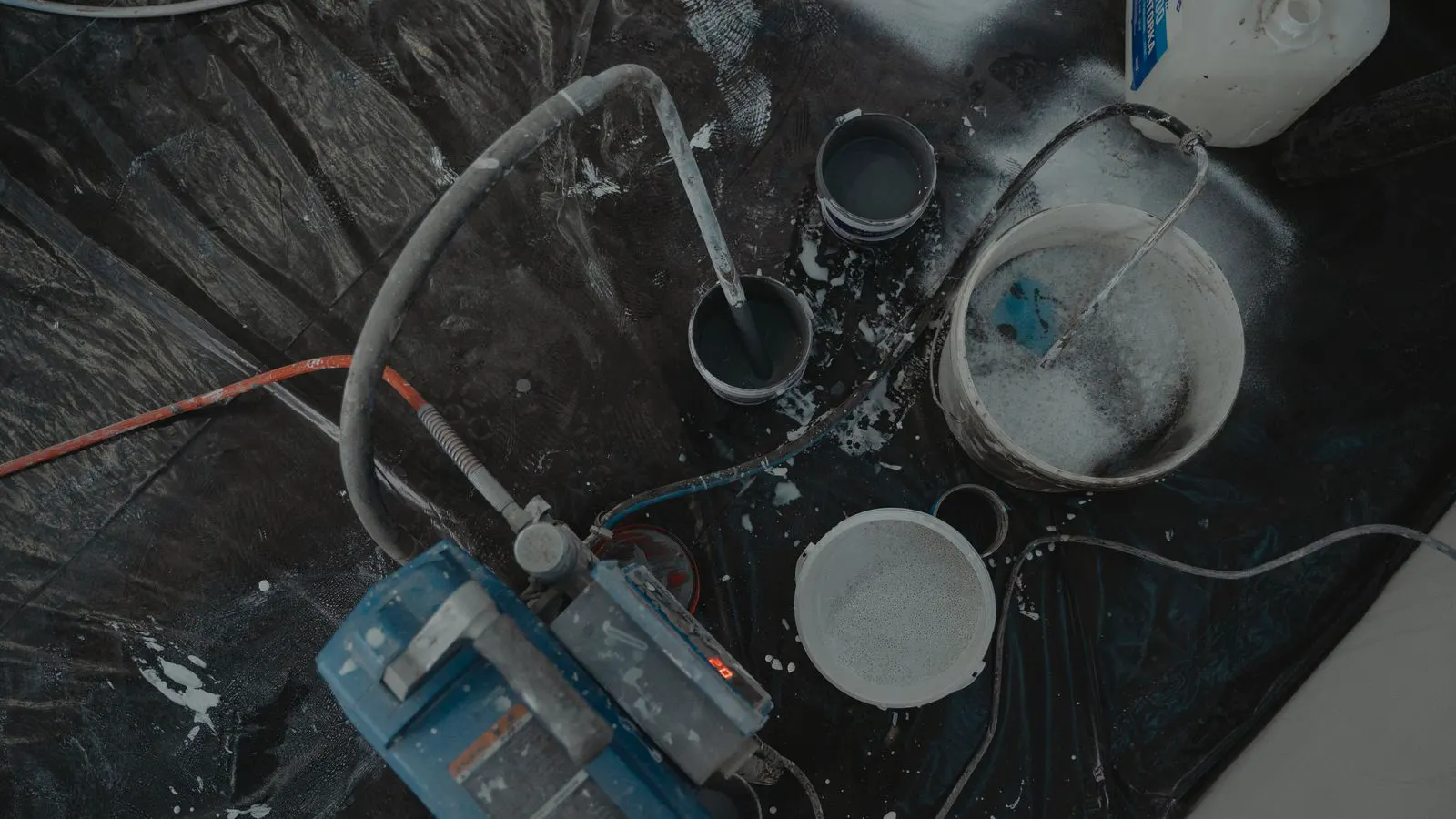
This guide lists ten checks for even industrial spray coating. It covers surface preparation, equipment setup, environmental controls, and post-application inspection.