Curing Ovens vs UV Curing: Which Method Fits Your Line?
Choose between oven and UV curing based on line speed, material thickness, and energy costs. Oven curing handles thicker films and larger parts. UV systems offer faster cycle times. Match the method to your production targets and substrate requirements.
- Oven curing provides consistent heat distribution for thicker films and larger parts.
- UV curing offers rapid cycle times but requires transparent resins and line-specific alignment.
- Energy costs vary by system type, with UV often consuming less per unit if throughput is high.
- Film thickness and substrate stability determine which method works best for your line.
- Pilot testing is necessary before committing to a curing system for high volume production.
How Oven Curing Works
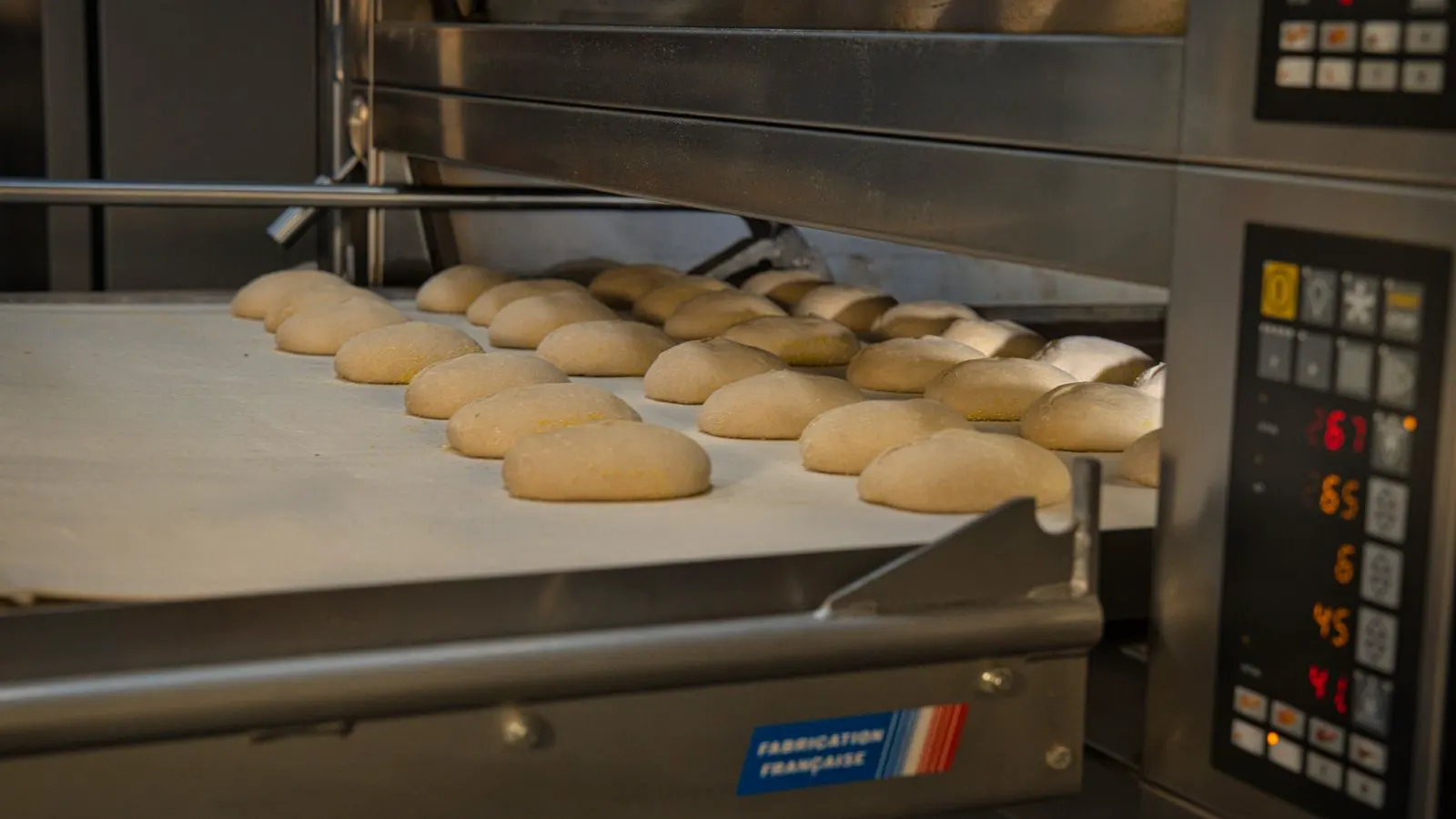
Conventional ovens heat the coated part to a specific temperature range. The heat drives chemical reactions that harden the film. Most conventional systems operate between one hundred and two hundred and fifty degrees Celsius. The exact range depends on the resin chemistry and the base material.
Air circulation inside the oven is a key variable. Convection ovens use fans to move hot air around the parts. This keeps temperatures even across the line. Forced air systems reduce hot spots that can cause localized defects.
Cycle time is the main drawback of oven curing. Parts must remain in the oven until the reaction completes. A standard cycle might run for ten to thirty minutes. This slows down the line. If your production requires high throughput per hour, the oven becomes a bottleneck.
The method suits larger batches. Sheets, panels, and bulky parts move through the chamber without needing precise positioning. The heat penetrates from all sides. This helps cure thicker films where edge effects might otherwise cause problems.
How UV Curing Works
UV curing uses light energy to trigger polymerization. High-intensity lamps emit ultraviolet radiation that penetrates the top layers of the coating. The resin hardens almost instantly. Cycle times often drop to seconds.
The resin chemistry must support this process. The formulation usually relies on photoinitiators. These compounds break down when exposed to UV light. The resulting free radicals start the cross-linking reaction. Without the correct chemistry, the coating will remain soft or cure unevenly.
Light penetration limits the effective cure depth. UV light attenuates rapidly as it travels through the film. Thicker coatings may cure on the surface while the core remains tacky. This limits UV to thinner films.
The lamp alignment is critical. Parts must pass directly under the light source. Misalignment creates shadow zones. Shadow zones result in soft spots or poor adhesion. Line design must account for part geometry and speed.
Comparison Table
| Option | Best for | Limitations |
|---|---|---|
| Oven Curing | Thick films, large parts, high-volume batch processing | Long cycle times, high energy consumption per unit, slower throughput |
| UV Curing | Thin films, high-speed lines, continuous production | Requires photoinitiator chemistry, limited cure depth, sensitive to lamp alignment |
| Infrared Curing | Rapid cure for thermoplastic films | High energy cost, limited to specific substrates, uneven heat if not controlled |
| Microwave Curing | Thick coatings, non-conductive substrates | High equipment cost, limited to specific resin types, requires careful monitoring |
When to Choose Oven Curing
Oven curing fits lines where cycle time is not the primary constraint. If you are coating large sheet metal panels or automotive body sections, the oven handles the job well. The heat penetrates the entire part. This ensures uniform cure from top to bottom.
The method works well for high-volume batch processes. You can load a rack or a conveyor belt and let the batch run. The operator sets the temperature and timer. The process is stable and repeatable. Quality control is straightforward. You check the film hardness after cooling.
Energy consumption is higher per unit than UV, but the system is simpler to maintain. Lamps do not flicker or degrade as quickly as UV sources. The fan and heating elements last longer. Maintenance costs stay lower over time.
If your coating is thick, the oven is the safer choice. UV light cannot reach the core of a thick film. The oven heat does. For films over two or three hundred microns, conventional heat curing remains the standard.
When to Choose UV Curing
UV curing wins when speed is the priority. If your line runs at high velocity, the seconds-long cure time fits the flow. The part exits the curing station ready for the next step. There is no cooling period.
The method suits thin films. Coatings under one hundred microns cure fully with UV exposure. The surface reaches a high hardness quickly. This works well for electronics, packaging, and decorative finishes.
The resin must be formulated for UV. You cannot use a standard oven-cure acrylic on a UV line. The chemistry is different. The supplier must provide a UV-curable formulation. This may increase material costs.
Lamp maintenance is a factor. UV lamps have a finite life. They emit less light as they age. You need a monitoring system to track intensity. If the light drops, the cure fails. Replacement schedules must be part of your plan.
Energy and Cost Considerations
Energy costs depend on throughput and system efficiency. Ovens consume significant electricity to heat the chamber. The energy stays in the air until the part leaves. UV systems use less energy per cycle because the exposure is short. However, the lamps require power.
The total cost of ownership includes more than electricity. Ovens have lower lamp replacement costs. UV systems need regular lamp changes and alignment checks. The initial cost for UV equipment is often higher. The lamps are expensive. The ballast and control system add to the price.
For high-volume lines, UV often pays off. The fast cycle time allows more parts per hour. You can run the line at a higher speed without sacrificing quality. The energy per part drops as throughput rises.
For low-volume or batch operations, the oven may be cheaper. The startup time for the oven is short. You can run small batches without losing much efficiency. UV systems are less efficient at low volumes because the lamps must run to reach full power.
Substrate and Material Constraints
The base material affects the curing choice. Metals heat well in an oven. The metal conducts heat and supports the part. It also helps distribute the temperature evenly.
Plastics and composites have limits. High oven temperatures can warp or melt the substrate. If your part is a heat-sensitive plastic, the oven may not work. UV curing is cooler. The heat generated by the UV reaction is localized. The substrate stays cooler.
Glass and ceramics tolerate high heat. They can go into the oven without damage. They also work well with UV. The choice depends on the desired finish and the resin.
The thickness of the base material matters. Thin metal sheets heat quickly. They can be cured in a short oven cycle. Thick sheets take longer. The center of a thick part reaches temperature slowly. This extends the cycle time.
Practical Selection Criteria
Start with the film thickness. Measure the typical wet film thickness. If it is thin, UV is a strong candidate. If it is thick, use an oven.
Next, look at the part size. Large parts are easier to handle in an oven. Small parts can be difficult to align under UV. The line must position the part correctly.
Check the substrate temperature limit. If the part cannot handle heat, UV is the only option. If the part can handle heat, both methods are possible.
Consider the resin chemistry. Ask the coating supplier which resins they recommend for your line. Do they have UV-curable options? Do they have oven-curable options? The resin choice drives the curing choice.
Finally, run a pilot. Test both methods if possible. Measure the cure depth, hardness, and adhesion. Check the energy use. Look at the cycle time. The pilot data will tell you what works for your specific line.
Common Mistakes
Operators often skip the pilot phase. They buy the equipment based on brochure claims. The system works in the lab, but not on the production line. The part geometry or speed changes the outcome.
Another mistake is ignoring the resin formulation. The coating supplier must provide the correct chemistry. A UV-cure resin on an oven line will not harden. An oven-cure resin on a UV line will not cure fully.
Lamp alignment errors are common in UV lines. The lamp head may be too far from the part. The intensity drops. The cure fails. Regular inspection of the lamp position is required.
Oven temperature mapping is often neglected. The fan may not move air evenly. Hot spots form. The coating cures too fast in those spots. This causes defects. A thermal camera check helps find these issues.
Frequently asked questions
Can I use UV curing for thick coatings?
No, UV light has limited penetration depth. Thick coatings may cure on the surface but remain soft in the core. Oven curing is better for thick films.
How long does oven curing take compared to UV?
Oven curing takes minutes to tens of minutes. UV curing takes seconds. The difference depends on the resin chemistry and the line speed.
Which method is more energy efficient?
UV curing is generally more energy efficient per part at high throughput. Ovens consume more energy to maintain temperature, but the energy per part can be lower at low volumes.
Do I need to change the resin if I switch curing methods?
Yes, the resin chemistry must match the curing method. UV-cure resins use photoinitiators. Oven-cure resins use heat-activated catalysts. They are not interchangeable.
Can I use both methods on the same line?
Yes, you can combine them. A hybrid line may use UV for a quick surface cure and an oven for a full cure. This is common in some industrial processes.