Cost and Lead Times: Spray vs Roll Coating for High Volume

Spray coating offers flexibility but higher per-unit labor costs, while roll coating delivers speed and lower material waste. Understanding these factors helps buyers select the right application method for high volume work.
- Spray coating typically has lower setup costs but higher per-unit material consumption than roll coating.
- Roll coating requires larger upfront capital investment but reduces unit costs as volume increases.
- Lead time differences depend heavily on substrate preparation, coating type, and production batch size.
- Clear RFQ specifications prevent pricing surprises and enable fair comparison between vendors.
- Pilot runs on small batches help validate both cost models and lead times before full production.
What Drives the Real Cost of Coating Application
When comparing spray coating against roll coating for high volume production, the sticker price on the coating itself rarely tells the whole story. The true cost structure includes equipment amortization, material consumption, labor, curing requirements, and rework rates. A coating that costs 10 percent less per liter can become more expensive when applied through a spray system that wastes 25 percent of the material on overspray.
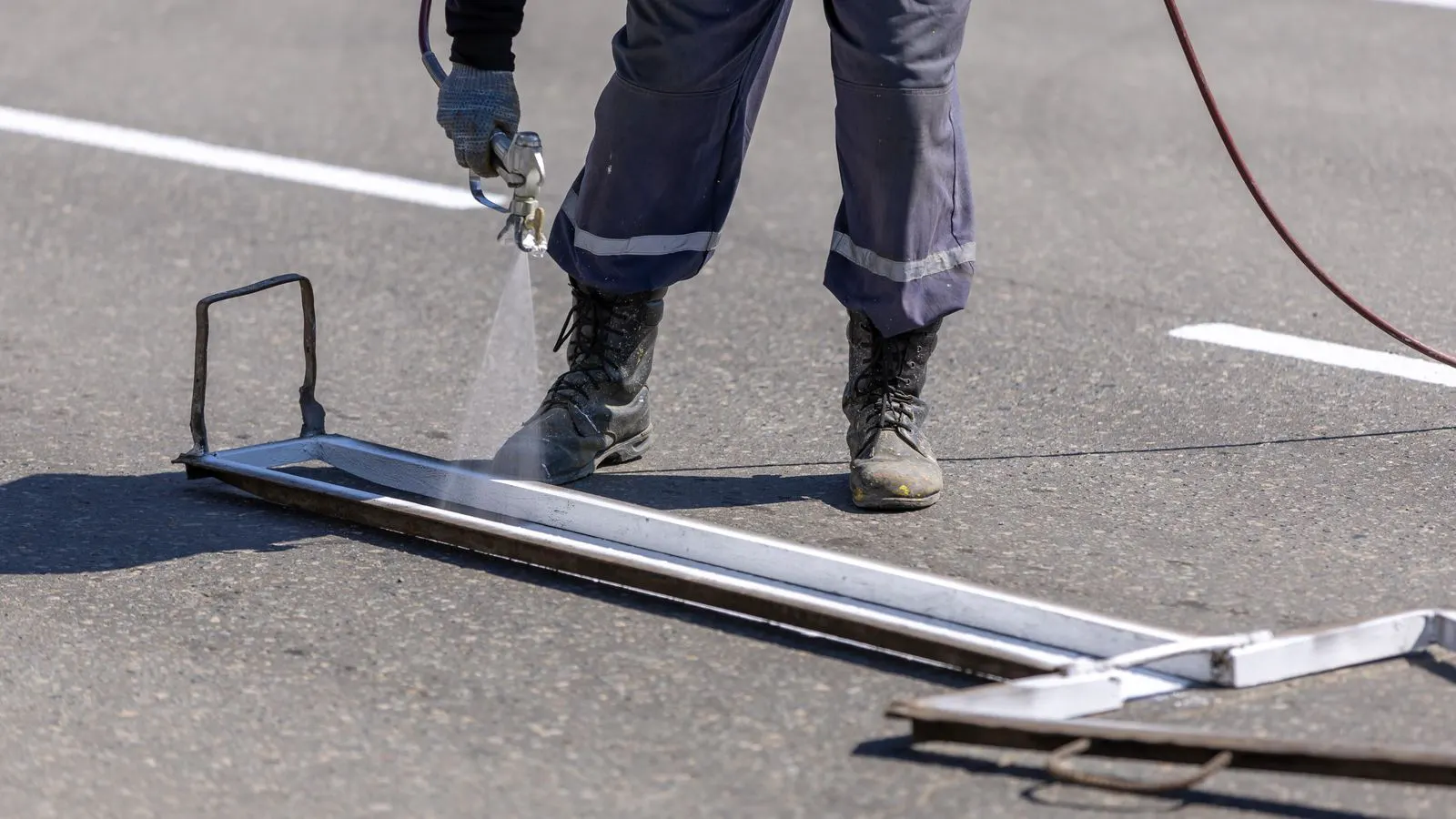
Spray coating involves atomizing liquid coating into fine droplets that deposit onto the substrate. The application equipment includes spray guns or electrostatic nozzles, compressed air systems, and filtration units. Roll coating uses two or more rollers to transfer a thin film of coating from a reservoir onto the material surface. The equipment includes coating rollers, metering rollers, and often a drying oven integrated into the line.
The cost difference becomes apparent when you map each method to specific production variables. A batch of 500 parts may favor spray coating because the setup time is minimal. A continuous run of 50,000 meters of sheet metal shifts the balance toward roll coating, where the per-meter cost drops significantly.
How Lead Times Differ Between the Two Methods
Lead time for coating application includes three distinct phases: substrate preparation, the coating operation itself, and the cure or dry period. Spray coating usually has shorter preparation time because the equipment can be set up quickly for different shapes and sizes. The spray operation is fast, but the cure time depends on the coating chemistry and the drying method used.
Roll coating has longer substrate preparation requirements. The material must be flat, clean, and within tight dimensional tolerances to pass through the rollers without causing defects. The coating operation happens at high speed, but the cure phase often requires an integrated oven that adds fixed time to the production schedule.
For high volume jobs, lead time is less about the speed of the coating step and more about the consistency of the entire line. A roll coating line running at steady speed delivers predictable output. A spray system may need frequent adjustments for different part geometries, which extends the total job duration.
A Practical Table of Cost Drivers
The following table breaks down the primary cost factors that affect both application methods. These drivers help buyers structure their RFQs and evaluate vendor quotes without getting lost in ambiguous pricing.
| Cost Driver | Spray Coating Impact | Roll Coating Impact |
|---|---|---|
| Equipment Capital | Lower upfront cost, modular setup | Higher upfront cost, continuous line |
| Material Consumption | Higher due to overspray and atomization loss | Lower due to precise metering and minimal waste |
| Labor Cost | Higher per unit due to manual handling and setup | Lower per unit due to automated continuous operation |
| Substrate Preparation | Flexible, accommodates varied shapes | Strict, requires flat and consistent material |
| Cure Time | Variable, depends on drying method | Fixed, integrated with production line |
| Rework Rate | Can be higher for complex geometries | Lower when line is properly tuned |
How to Write a Clear RFQ That Gets Fair Quotes
A vague RFQ produces vague quotes. If the request only states “coating 10,000 parts,” the vendor must make assumptions about part geometry, coating thickness, and production schedule. Those assumptions become price risks for the buyer.
Start the RFQ with a clear specification of the coating application method. State whether you are evaluating spray coating, roll coating, or both. Include the substrate material, dimensions, and surface finish requirements. Specify the target coating thickness in microns and any performance standards the coating must meet.
Break the quantity into realistic batches. A single number like “10,000 units” does not show the production pattern. A request for “four batches of 2,500 units per week” gives the vendor a clearer picture of setup frequency and labor planning.
Include the required cure time and any downstream processing steps. If the coated parts must be assembled, welded, or painted again, state that clearly. Each additional step adds cost and lead time that the coating vendor may not account for in a base quote.
Request a price breakdown rather than a single number. Ask for separate line items for material, labor, equipment charge, and curing. This structure makes it possible to compare quotes from different vendors on a like-for-like basis.
How to Compare Quotes Without Being Tricked by the Lowest Price
The lowest quote often hides hidden costs. A vendor offering a low per-unit price may assume a continuous production run with zero downtime, while your actual production schedule includes changeovers, maintenance windows, and variable batch sizes.
Check the equipment charge. Some vendors price the coating material separately and add a per-hour or per-unit equipment fee. Others bundle the equipment cost into the material price. Both approaches can work, but the comparison only makes sense when the structure is identical.
Look at the material consumption rate. Ask each vendor to state the theoretical coverage area per liter or kilogram of coating and the expected actual coverage after application. A spray system that delivers 20 square meters per liter in a lab test may achieve only 12 square meters in production due to overspray. A roll coating line should maintain coverage close to its theoretical rate if properly calibrated.
Evaluate the rework allowance. A quote that includes a 5 percent rework allowance costs more upfront but reduces risk. A quote that assumes zero rework may look cheaper but becomes expensive when defects appear.
Ask about lead time guarantees. A vendor that commits to a specific delivery date with a penalty clause for delays is taking a different risk position than one that offers “estimated” delivery. For high volume production, the difference between an estimated and a guaranteed lead time can determine whether your assembly line runs or sits idle.
When One Method Wins and When the Other Does
Spray coating wins when part geometry is irregular, batch sizes are moderate, or the substrate cannot pass through a roll system. A component with multiple cavities, thin walls, or variable thickness often requires spray application to achieve even coverage. The flexibility of the method justifies the higher per-unit cost when the alternative is not feasible.
Roll coating wins when the substrate is flat, the production volume is high, and the coating system is stable. Sheet metal, plastic film, and continuous web materials benefit from the precise film control that roll coating provides. The lower material waste and reduced labor per unit create a cost advantage that grows with volume.
There is no single answer that fits every production scenario. The right choice depends on the specific combination of material, geometry, volume, and downstream requirements. A structured comparison using the cost drivers above will reveal which method fits your production reality.
Pilot Testing Before Full Production
Before committing to a full production run, run a pilot batch with both methods if the substrate allows it. A pilot batch of 100 to 500 units provides enough data to measure actual material consumption, cure time, and defect rate. The data from the pilot becomes the baseline for your production cost model.
During the pilot, record every variable: ambient temperature, humidity, coating viscosity, roller speed, spray pattern, and cure time. Small changes in these variables can shift both cost and lead time by meaningful margins. The pilot also reveals whether the coating chemistry behaves as expected at production speed.
Use the pilot data to refine the RFQ for the full run. A vendor that has seen your pilot data can provide a more accurate quote and a more realistic lead time. The cost of a small pilot run is negligible compared to the cost of a production failure or a schedule miss.
Frequently asked questions
How much more expensive is spray coating than roll coating per unit?
The difference depends on substrate, coating type, and volume. For flat high-volume substrates, roll coating can reduce per-unit cost by a meaningful margin due to lower material waste and labor. For irregular shapes, spray coating may be the only feasible option.
Does roll coating always require a flat substrate?
Yes. Roll coating depends on the material passing evenly between rollers. Any warp, thickness variation, or surface defect will cause coating defects. Substrate preparation is a major cost driver for this method.
Can I switch between spray and roll coating on the same product?
It is possible but adds complexity. The coating chemistry, equipment, and cure parameters differ significantly between the two methods. Switching mid-production requires requalification and can extend lead time.
How do I know if my coating system is stable enough for roll coating?
Run a pilot at production speed and measure film thickness consistency across the width of the material. If variation exceeds your tolerance, the roll coating line may produce defects that require rework.
What is the typical lead time difference between the two methods for a 10,000 unit order?
The difference varies by substrate and coating. Spray coating may have shorter total lead time for irregular parts due to less setup. Roll coating can be faster per unit but requires more time for substrate preparation and line setup.