Outlook: Coating Supply Chain Resilience
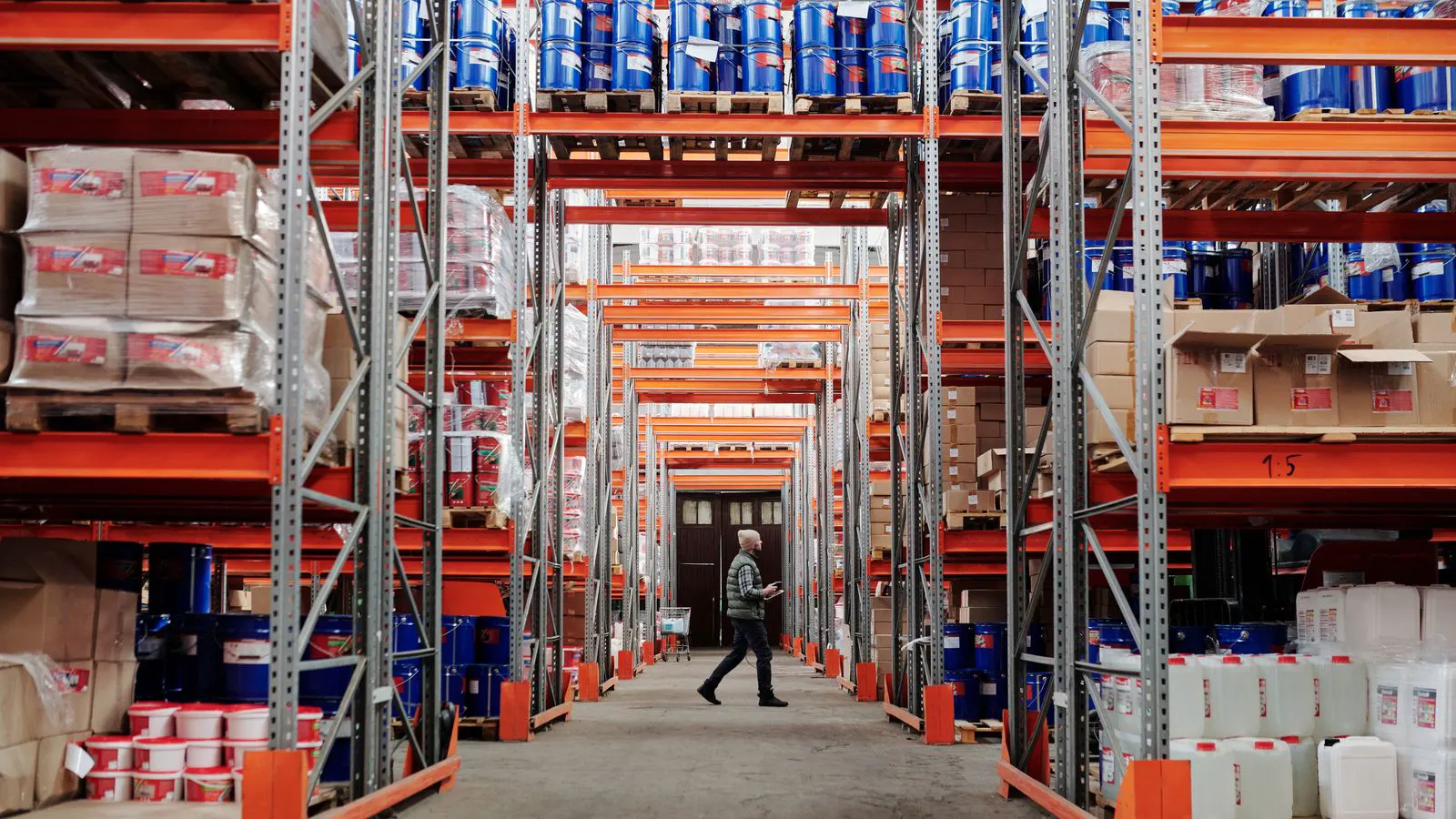
Coating supply chains face persistent risks from raw material volatility and logistics. This outlook identifies six shifts buyers should plan for and provides practical steps to secure supplier resilience for long-term coating procurement.
- Build dual-source strategies for critical raw materials to reduce single-point failures.
- Integrate supplier financial health and logistics capacity into your evaluation criteria.
- Use long-term agreements with price adjustment clauses to manage volatility.
- Prioritize suppliers who offer transparent visibility into their own upstream sources.
- Invest in technical specifications that allow for formulation flexibility.
1. The Baseline Shift: From Spot Purchases to Strategic Partnerships
Procurement teams now treat coating suppliers differently than they did a decade ago. The old model relied on short-term spot purchases and assumed that a large number of qualified vendors would always be available. That assumption has weakened.
Many industrial buyers now operate with fewer, deeper relationships. The focus has moved from finding the lowest price per kilogram to securing consistent quality and reliable delivery. Suppliers who can demonstrate stable production capacity and clear communication channels win longer engagements.
Buyers should map their current supplier base against this new reality. Identify which vendors you depend on for critical products and which you use as backups. Then assess whether those backups can actually handle your volume and specification requirements. A backup supplier that cannot meet your technical standards is not a backup; it is a risk.
Consider a structural steel fabricator that sources a high-solids epoxy primer from a single regional plant. If that plant faces a resin shortage, the fabricator faces a line stoppage. The backup supplier three states away may offer the same chemical grade, but their logistics network cannot clear customs or meet the required lead time. The backup exists on paper but fails in practice.
The shift toward strategic partnerships requires a change in how buyers evaluate vendors. Price remains a factor, but it is no longer the sole decision driver. Buyers now weigh technical support, delivery reliability, and financial stability alongside cost. A supplier who responds to a quality query within 24 hours and provides a root cause analysis is often preferred over a cheaper alternative that takes weeks to communicate.
This change also affects contract structures. Longer agreements with fixed pricing windows or defined escalation clauses are becoming standard. These contracts provide predictability for budgeting and incentivize suppliers to plan production in advance. In exchange, buyers commit to a minimum volume or a specific share of their annual coating demand.
The practical step is to review your supplier list and categorize each vendor by criticality. High-criticality items include coatings for aerospace, pharmaceuticals, and high-visibility infrastructure. Low-criticality items may include internal maintenance paints. The level of engagement should match the risk. High-criticality suppliers warrant quarterly business reviews and joint planning sessions. Low-criticality suppliers can remain on standard transactional terms.
2. Raw Material Volatility: Managing the Upstream Risk
Coatings rely on a complex mix of resins, pigments, and additives. Each component faces its own supply dynamics. Resins depend on petrochemical feedstocks. Pigments often require specialized processing and long lead times. Solvents are tied to refining capacity and regional logistics.
Raw material volatility is no longer an occasional event. It is a constant variable. Buyers must build mechanisms to absorb these swings. One approach is to maintain buffer stock of critical raw materials. This costs money and space, but it provides a cushion during supply disruptions.
Another approach is to work with suppliers who offer contract pricing with defined adjustment mechanisms. These agreements specify how costs will move when input prices shift. They remove the guesswork from renegotiation and create a predictable framework for budget planning.
Petrochemical feedstocks drive resin costs. Ethylene, propylene, and aromatics fluctuate based on global demand, energy prices, and regional refinery outages. A polyurethane system may use a mix of aliphatic isocyanates and epoxies. If isocyanate prices spike due to a feedstock shortage, the total cost of the coating rises. Without a pricing mechanism, the buyer faces an unexpected margin hit.
Pigments present a different challenge. Color matching and opacity depend on specific grades of titanium dioxide, iron oxides, or organic pigments. These materials often have limited production capacity. A supplier might specify a particular grade of titanium dioxide for its dispersion stability. If that grade becomes scarce, the supplier may substitute a different grade. Even if the color appears similar, the hiding power or scrub resistance may degrade.
To manage this, specify performance metrics rather than single raw materials. Instead of mandating a specific titanium dioxide brand, define the required hiding power, opacity, and weatherability. This allows the supplier to source alternative pigments without compromising the final product.
Buffer stock is effective but expensive. Coatings have shelf lives. Resins and solvents can degrade or react over time. Maintaining large inventories of raw materials ties up capital and requires significant warehouse space. A more balanced approach is to hold buffer stock for the most critical, long-lead-time components while relying on flexible specifications for the rest.
For example, a marine coating manufacturer might hold a six-month supply of a specialized alkyd resin that has a 12-month lead time. For standard titanium dioxide, they might rely on dual sourcing and flexible specifications. This hybrid model reduces cash flow pressure while protecting against the most severe supply shocks.
3. Logistics and Lead Time: The Hidden Bottleneck
Many coating supply chain issues emerge not from production capacity but from logistics. Shipping delays, port congestion, and inland transport shortages can push delivery dates by weeks. For industrial buyers with tight production schedules, these delays disrupt entire operations.
You should evaluate your suppliers on their logistics planning, not just their production capability. Ask them about their routing strategies, carrier relationships, and contingency plans for transport disruptions. A supplier with strong logistics planning can often deliver on time even when input materials arrive late.
Consider geographic diversification. Sourcing from multiple regions reduces exposure to single logistics chokepoints. This does not mean you need a global supplier network. It means you should understand where your materials originate and where they travel through.
Coatings are heavy products. A 25-kilogram drum of industrial primer weighs significantly more than its value. Transportation costs are a major component of the final price. If a supplier is located far from your facility, freight costs can erode any price advantage. Conversely, a local supplier may have higher material costs but lower freight, resulting in a lower landed cost.
Lead time variability is a key metric. A supplier that consistently delivers in 14 days is better than one that delivers in 10 days but fails to meet the deadline half the time. Ask for historical on-time delivery data. Request a sample of their shipping manifests to see how they handle partial shipments and expedited orders.
Inland transport is often the weak link. Rail and trucking networks face driver shortages, infrastructure maintenance, and seasonal weather issues. A supplier that relies solely on one trucking carrier is vulnerable to a single point of failure. Diversify your transport options. If possible, use multiple carriers for different routes and volumes.
Port congestion affects imported raw materials and finished coatings. If you source resins from Asia, a delay at the port can stall your production for weeks. Build buffer stock for imported inputs. Alternatively, source from domestic or regional suppliers to reduce exposure to ocean freight delays.
4. Quality Consistency: The Cost of Specification Drift
Coatings are performance products. A small variation in resin composition or pigment dispersion can change drying time, adhesion, or durability. Supply chain pressure often forces suppliers to adjust formulations to maintain margins. These adjustments can drift from your original specification.
You need clear technical documentation and regular quality verification. Request batch certificates of analysis for each delivery. Conduct incoming inspections on critical batches. Maintain a shared quality protocol with your supplier that defines acceptable ranges and escalation procedures.
Formulation flexibility is a powerful tool. If you write your specifications to allow for equivalent resins or pigments, your supplier has more room to navigate raw material shortages without compromising your performance requirements. This flexibility protects both parties during volatile periods.
Specification drift is subtle. A supplier might replace a high-impact resin with a standard grade to reduce costs. The coating may still pass basic adhesion tests, but its resistance to chemical exposure or thermal cycling may decline. You may not notice the difference until the product fails in the field.
To prevent this, define performance criteria in your specification. Instead of specifying a resin by name, specify the required adhesion strength, drying time, and chemical resistance. This allows the supplier to adjust formulations while still meeting your performance needs.
Batch-to-batch consistency is critical. Even with a fixed specification, variations in raw materials can cause differences between batches. Require the supplier to provide a certificate of analysis for each batch. This document lists the actual composition and performance results for that specific batch.
Conduct incoming inspections. Do not rely solely on the supplier’s certificates. Test a sample of each incoming batch for key properties. For example, check adhesion on a standard substrate, measure drying time, and verify color and gloss. Keep a record of these tests. If a batch fails, reject it and require a root cause analysis.
A shared quality protocol defines how issues are handled. It should specify the acceptable ranges for each property, the process for rejecting non-conforming batches, and the timeline for corrective action. This removes ambiguity and ensures both parties respond consistently to quality problems.
5. Financial Health: The Early Warning System
A coating supplier that is financially stressed is a high-risk partner. Cost pressures may lead to reduced quality controls, delayed payments to their own suppliers, or cut corners in production. You will not always see these signs until they become visible in your product quality or delivery reliability.
Monitor your suppliers’ financial health. Review credit reports when available. Watch for changes in ownership, leadership, or production capacity. Engage in open conversations about their business outlook. Many suppliers will share their challenges if you ask directly.
Diversifying your supplier base reduces this risk. If one supplier faces financial difficulty, you can shift volume to another without disrupting production. This requires maintaining relationships with multiple qualified vendors, not just one.
Financial stress can manifest in subtle ways. A supplier might start charging late fees on other accounts or delaying their own payments to raw material suppliers. They might reduce their quality inspection staff or defer maintenance on production equipment. These actions save money in the short term but increase the risk of defects and downtime in the long run.
Review credit reports annually. Look at payment terms. If a supplier suddenly requests shorter payment terms, it may indicate cash flow pressure. Engage in open conversations about their business outlook. Ask about their capital expenditures, their pipeline, and their long-term plans. Most suppliers appreciate a buyer who shows genuine interest in their stability.
Diversify your supplier base. Do not rely on a single supplier for a critical product. Maintain a relationship with at least one alternative supplier. This does not mean you need to source from two suppliers for every product. It means you should have a qualified backup for your most critical items.
A qualified backup supplier must be able to meet your specifications, volume requirements, and lead times. Qualify them proactively. Run a pilot batch, test the product, and verify their logistics capability. Keep their qualification documents current. This ensures you can switch to them quickly if needed.
6. Technology and Innovation: The Differentiator
In a volatile market, suppliers who invest in technology and process efficiency have a structural advantage. Automated production lines, digital quality control, and predictive maintenance reduce variability and downtime. These capabilities translate into more consistent products and more reliable delivery.
When evaluating suppliers, ask about their technology investments and process capabilities. Look for evidence of continuous improvement. A supplier that is actively modernizing its operations is likely to be more resilient over time.
Innovation in formulation also matters. Suppliers who develop new products with better environmental profiles or enhanced performance can offer you options that reduce regulatory risk and extend product life. These innovations become part of your value proposition, not just their cost structure.
Automated mixing and dispensing reduce human error. A manual mixing process can introduce air bubbles, inconsistent dispersion, or uneven ingredient distribution. Automated systems ensure precise measurement and mixing, leading to more consistent batches. This is particularly important for high-performance coatings where small variations can have significant consequences.
Digital quality control uses sensors and software to monitor production in real time. Instead of testing a finished batch, the system monitors viscosity, density, and color during the mixing process. If a parameter drifts out of range, the system alerts the operator before a defective batch is produced. This reduces waste and improves consistency.
Predictive maintenance uses data from equipment to anticipate failures. If a mixing drum bearing shows signs of wear, the system schedules maintenance before the drum fails. This prevents unplanned downtime and ensures production continuity. A supplier with predictive maintenance capabilities is less likely to miss delivery dates due to equipment breakdowns.
Innovation in formulation is a key differentiator. Suppliers are developing low-VOC, water-based, and powder coatings to meet environmental regulations. They are also improving durability, reducing maintenance cycles, and enhancing safety. A coating that lasts longer or requires less frequent maintenance can reduce the total cost of ownership, even if the initial purchase price is higher.
When evaluating suppliers, ask about their R&D activities. Look for evidence of continuous improvement. A supplier that is actively developing new products and processes is likely to be more resilient over time. They are better equipped to adapt to changing regulations, customer demands, and market conditions.
7. The Table: Risk Assessment Framework
Use this framework to score your current suppliers and identify gaps in your supply chain strategy.
| Risk Area | Key Questions | Mitigation Strategy |
|---|---|---|
| Raw Materials | Do we have alternatives for critical inputs? | Dual-source agreements, buffer stock, flexible specifications |
| Logistics | How does the supplier handle shipping delays? | Multi-regional sourcing, logistics planning reviews, buffer inventory |
| Quality | How do we verify batch consistency? | Incoming inspections, shared quality protocols, batch documentation |
| Financial | What is the supplier’s financial stability? | Credit monitoring, diversified supplier base, open communication |
| Technology | Does the supplier invest in process improvement? | Technology audits, innovation partnerships, performance metrics |
| Regulatory | Can the supplier meet evolving environmental requirements? | Product development collaboration, regulatory monitoring, certification |
8. Action Plan: Preparing for the Next Cycle
Start with your top three critical coating products. Identify your primary and backup suppliers for each. Score them using the framework above. Where you find gaps, develop a remediation plan.
For raw material volatility, negotiate contract pricing with adjustment mechanisms. For logistics, review your routing and consider geographic diversification. For quality, implement stricter incoming inspections and share quality protocols with your suppliers.
For financial health, monitor your suppliers and diversify your base. For technology, invest in suppliers who are modernizing their operations. These steps build supplier resilience into your procurement strategy.
The goal is not to eliminate all risk. That is impossible. The goal is to reduce the impact of risk when it occurs. A resilient supply chain absorbs shocks and recovers quickly. That is the standard you should hold your suppliers to.
Build your relationships on transparency and mutual problem-solving. A supplier who shares their challenges and works with you to find solutions is a long-term partner. That partnership is your most valuable asset in a volatile market.
Frequently asked questions
How do I identify a reliable coating supplier during volatile periods?
Look for suppliers with transparent communication, strong logistics planning, and a history of consistent quality. Evaluate their financial health and ability to handle specification changes.
What is the best way to manage raw material volatility in coatings?
Use contract pricing with adjustment mechanisms, maintain buffer stock of critical inputs, and develop flexible specifications that allow for alternative materials.
Should I use multiple suppliers for the same coating product?
Yes. Dual-sourcing or multi-sourcing reduces single-point failure risk. Maintain relationships with at least two qualified suppliers for critical products to ensure continuity.
How do I verify that a supplier's quality remains consistent over time?
Implement incoming inspections, request batch certificates of analysis, and establish shared quality protocols that define acceptable ranges and escalation procedures.
What role does technology play in supplier resilience?
Technology investments in production automation, quality control, and predictive maintenance improve consistency and reduce downtime. Suppliers with modern operations are generally more reliable.