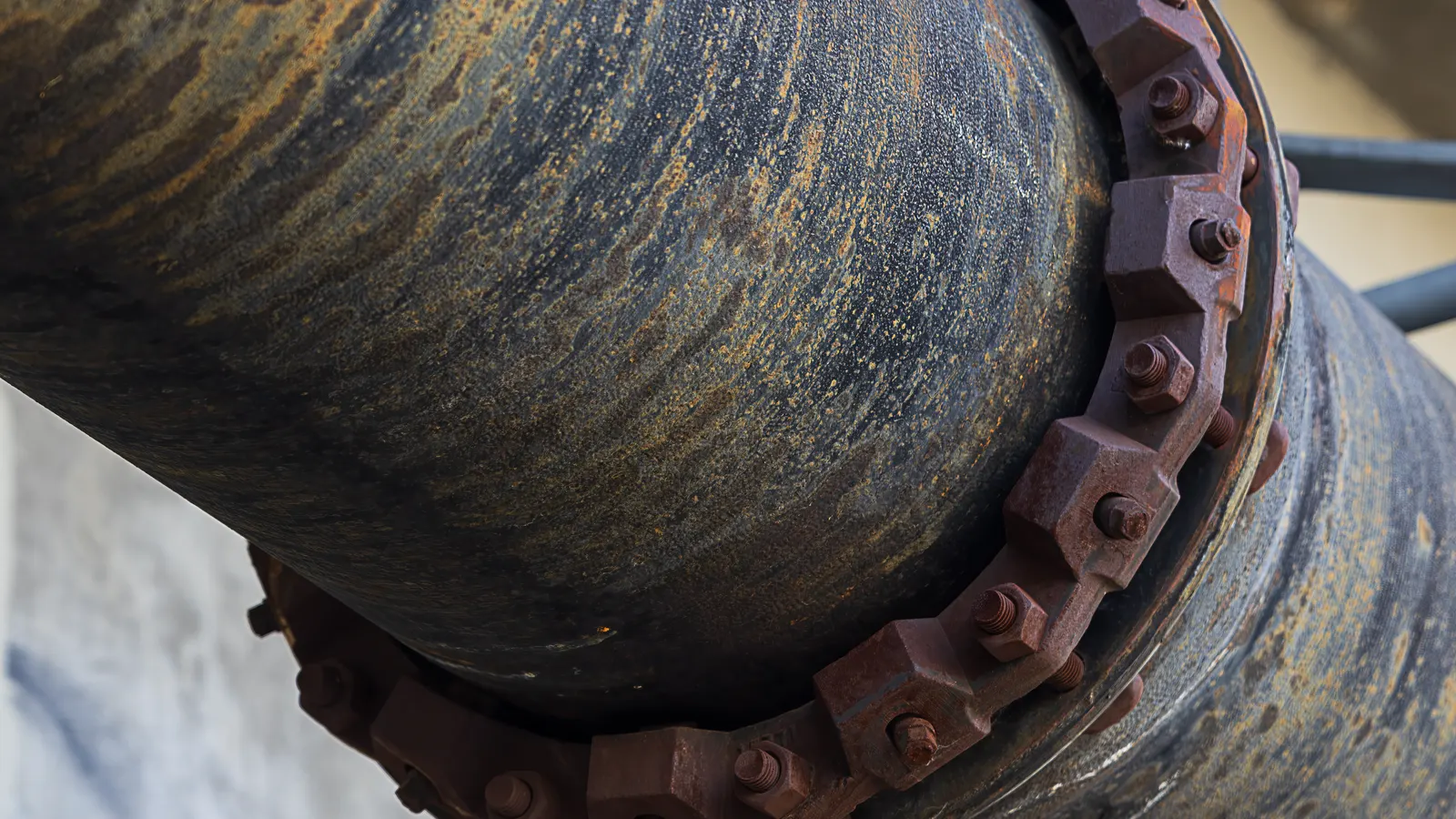
Cost and Lead Time for Anti-Corrosion Coatings
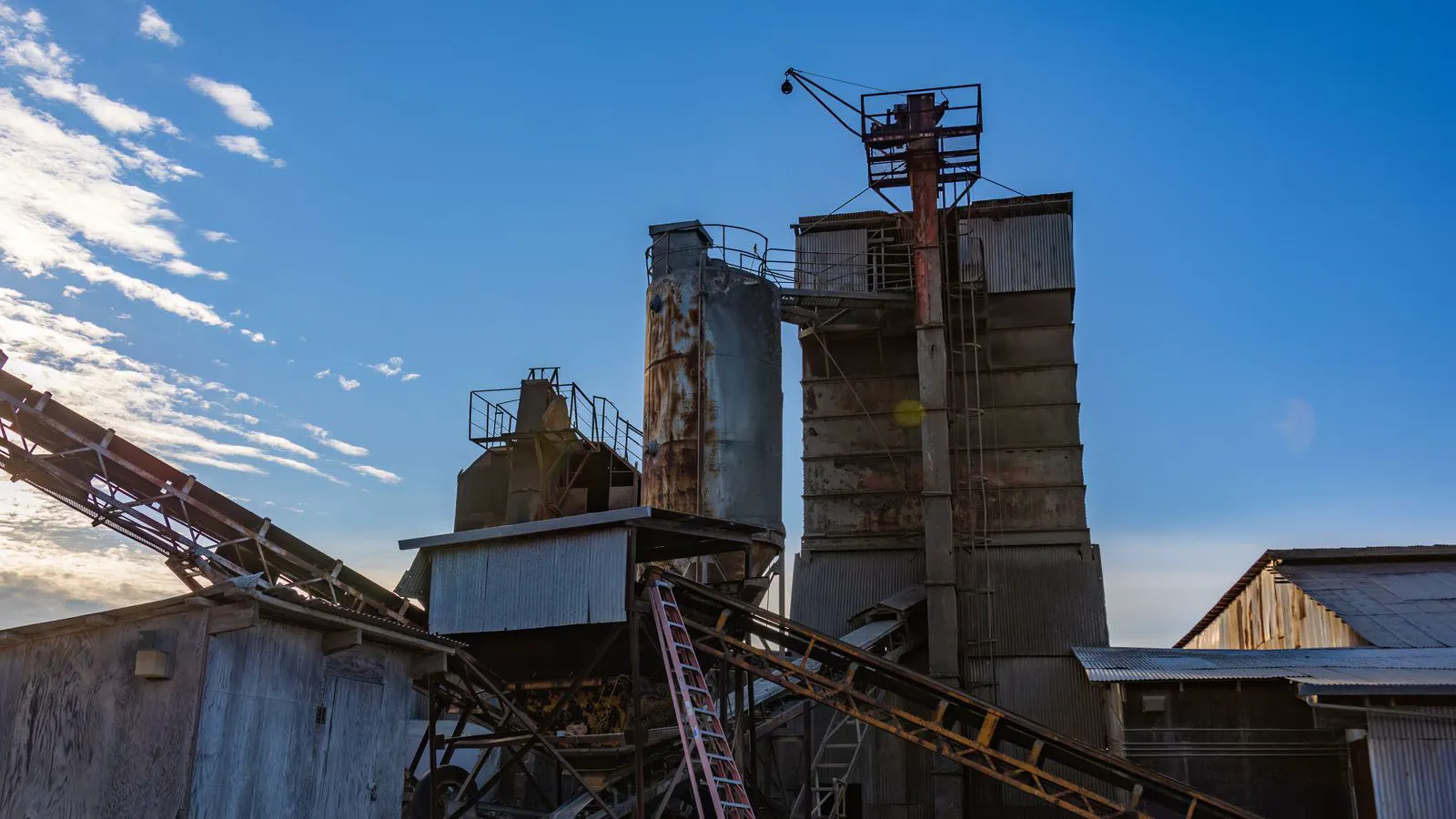
Cost and lead time for anti-corrosion coatings depend on substrate prep, coating system, volume, and logistics. A clear RFQ with technical data and site constraints helps suppliers provide accurate pricing and delivery estimates for large projects.
- Corrosion protection costs are driven by material type, surface preparation, system thickness, and application method.
- Supply chain lead time depends on raw material availability, production capacity, shipping distance, and project milestones.
- A detailed RFQ with site conditions and technical specs reduces quote variances and expedites procurement.
- Comparing quotes requires aligning scope, quality standards, and delivery terms before evaluating price.
- Planning buffer for logistics and inspection delays protects project timelines.
What Drives the Price of Corrosion Protection Systems
Price for anti-corrosion coatings rarely reflects the paint alone. It covers materials, labor, equipment, and compliance. A two-coat epoxy system on a prepared steel surface costs differently than a zinc-rich primer plus topcoat on a concrete deck.
The coating chemistry sets a baseline. Zinc-rich primers often carry a higher material cost than standard epoxy. Topcoats with UV resistance or chemical durability add premium. Primer systems that require multiple coats or high solids content change application time and material volume. Zinc-rich formulations, for instance, often contain high volumes of zinc powder, which increases the cost per kilogram of the finished product. This material expense is driven by the raw zinc oxide or zinc dust used in the mix. If a specification calls for a high solids product to reduce solvent emissions, the viscosity may increase, requiring thicker coats or slower drying times. This increases the number of coats or the time required to achieve the specified dry film thickness, which directly impacts the labor bill.
Surface preparation is a major cost factor. Blast cleaning to a specific profile, like near-white metal, requires abrasive media and equipment. Each level of cleanliness changes labor hours and media consumption. If a project requires hand cleaning only, the cost drops, but the protection level may change. Near-white metal preparation, often referenced in ISO 8501, requires the removal of loose rust, mill scale, and surface contaminants. The abrasive media, such as steel shot or garnet, is a consumable that adds to the material cost. The equipment, including blast cabinets or portable blast units, may need to be rented if not owned. The labor cost for preparation is often higher than the coating application because it requires a larger crew and more careful inspection. If the surface is already prepared, the cost reduces, but the buyer must verify the preparation level with a visual inspection or a surface profile test. A mismatch between the required preparation and the actual surface condition can lead to coating failure, which is far more expensive to fix than the initial preparation cost.
Application method affects cost. Spray gun application requires skilled operators and equipment. Roller or brush application may be cheaper for small areas but slower for large projects. The number of coats, the dry time between coats, and the required thickness all influence labor hours. Spray application, such as high-pressure airless or electrostatic spraying, allows for faster coverage on large, flat surfaces. However, it requires trained operators to manage the spray pattern, overlap, and thickness. The equipment itself is a cost factor if it is not available on site. For small, complex areas, roller or brush application may be more practical, but it takes longer and may require more material due to less efficient coverage. The dry time between coats is a hidden cost. If a coating requires a long pot life or a specific temperature range, the crew may need to wait, reducing productivity. The required thickness, or dry film thickness, is another factor. A thicker coating requires more material and more coats, which increases both material and labor costs.
Project scale changes unit economics. Large, flat surfaces allow faster application and lower per-meter cost. Complex geometry, like tanks or pipes, increases labor time and material waste. A large, flat steel plate can be sprayed quickly with minimal waste. A cluster of pipes, tanks, and ladders requires more setup, more movement, and more material to cover the edges and corners. The waste factor, or the amount of coating lost to overspray, can be higher in complex geometries. The labor cost per square meter is higher for complex shapes because the crew spends more time positioning equipment and adjusting the spray pattern. The material volume must account for this waste, which increases the total cost.
How Supply Chain Lead Time Shapes Procurement
Lead time is the gap between order and delivery. It includes raw material sourcing, production, quality checks, packaging, and transport.
Raw material availability can shift delivery dates. Resins, pigments, and solvents may have variable supply chains. If a supplier stocks standard colors, lead time shortens. Custom colors or special formulations take longer. The resin, the backbone of the coating, may be sourced from a few large chemical producers. If a production line at one of these producers shuts down for maintenance or due to a supply issue, the delivery date for the resin can slip. This delay passes to the coating manufacturer and then to the buyer. Pigments, such as zinc oxide or titanium dioxide, also have supply chains that can be affected by global demand. If a pigment plant reduces capacity, the lead time for the coating that uses that pigment increases. Solvents, which are volatile and hazardous, may have stricter transport rules, which can also affect delivery times.
Production capacity matters. A coating plant may have a backlog if demand spikes. High-volume orders may get scheduled first, while smaller orders wait. During peak seasons, lead time often extends. Coating plants have limited production lines. If a large order for a major infrastructure project comes in, it may take priority over smaller, custom orders. A smaller order for a specialized industrial asset may have to wait until the large order is completed. Peak seasons, such as the pre-winter period when outdoor painting is still possible, can increase demand for certain coating systems. This can lead to longer production queues.
Shipping distance and method affect delivery. Road freight is faster than sea freight. A coating from a nearby plant arrives in days. A coating shipped across a sea lane takes weeks. The mode of transport determines the delivery date. Road freight is faster and more flexible but more expensive per kilometer. Sea freight is slower but cheaper for large volumes. Air freight is the fastest but the most expensive and is rarely used for heavy, liquid coatings. The distance from the plant to the site also matters. A coating shipped across a national border may face customs delays, which can add days or weeks to the lead time.
Project milestones lock in delivery dates. If a coating must be on site before a specific blast cleaning window, the order must arrive early. Late delivery can stall the entire project. The site schedule is often tight. Blast cleaning is a critical step that must be done before the coating is applied. If the coating is not on site when the blast cleaning is finished, the surface will start to corrode again, and the project will be delayed. The buyer must account for this by ordering the coating well before the blast cleaning window. The delivery date must be confirmed in writing, and the supplier must be aware of the site schedule.
How to Write a Clear RFQ for Coating Procurement
A Request for Quotation needs enough detail so suppliers can price the job accurately. Vague RFQs lead to wide price ranges and slow responses.
Include the project scope. List the substrate material, the surface area, and the geometry. Specify the coating system, such as zinc-rich primer and epoxy topcoat. Give the required dry film thickness. The substrate material, such as steel, concrete, or aluminum, affects the choice of coating and the preparation required. The surface area is the total area to be coated, measured in square meters. The geometry describes the shape of the surfaces, such as flat plates, curved pipes, or complex tanks. The coating system specifies the primer and topcoat products. The dry film thickness is the required thickness of the coating after it has dried, measured in micrometers.
State the surface preparation standard. Reference the applicable standard for blast cleaning or hand cleaning. If the surface is already prepared, say so. If not, include the prep method in the scope. The surface preparation standard, such as ISO 8501 or SSPC, defines the level of cleanliness and the surface profile. The standard must be clearly stated in the RFQ. If the surface is already prepared, the buyer must state the preparation level and provide proof, such as a surface profile test report. If the surface is not prepared, the RFQ must specify the preparation method, such as blast cleaning to near-white metal or hand cleaning to bare metal.
Add site conditions. Note the location, ambient temperature range, and humidity. Mention any restrictions, like work hours, noise limits, or fire safety rules. These details affect labor planning and equipment needs. The site conditions, such as the location, the ambient temperature range, and the humidity, affect the application of the coating. The temperature and humidity must be within the recommended range for the coating. If the site is in a cold, humid area, the coating may require a different product or a longer drying time. The restrictions, such as work hours, noise limits, and fire safety rules, affect the labor planning. The crew may need to work at night or use quieter equipment. The fire safety rules may require the use of low-solvent coatings or the installation of fire extinguishers.
Request delivery terms. Specify the Incoterms, such as FOB or DDP. State the required delivery date and site. Ask for lead time confirmation in writing. The delivery terms, such as FOB or DDP, define who is responsible for the transport and the risk of loss. FOB means the seller is responsible for the delivery to the port, and the buyer is responsible for the transport from the port. DDP means the seller is responsible for the delivery to the site, including all transport and duties. The required delivery date and site must be clearly stated. The lead time confirmation must be in writing to avoid disputes.
Ask for quality documentation. Request technical data sheets, safety data sheets, and test reports. Specify any required certifications for the coating system. The quality documentation, such as technical data sheets, safety data sheets, and test reports, proves the performance of the coating. The technical data sheet provides the application instructions, the drying times, and the performance data. The safety data sheet provides the handling and storage instructions. The test reports, such as adhesion or corrosion resistance tests, prove the performance of the coating. The required certifications, such as ISO 9001 or ISO 14001, prove the quality management system of the supplier.
How to Compare Quotes Fairly
Quotes for the same project can vary widely. A lower price may hide missing scope or weaker quality.
Check the coating system. Ensure each quote uses the same primer, topcoat, and thickness. If one quote uses a cheaper alternative, note the trade-off. The coating system must be the same for all quotes. If one quote uses a cheaper alternative, such as a standard epoxy instead of a zinc-rich primer, the trade-off must be noted. The cheaper alternative may have a lower performance, which may not meet the project requirements.
Review the labor hours. Ask how many coats are included. Check if the quote covers surface cleaning or only application. Some quotes exclude media consumption or equipment rental. The labor hours must be reviewed carefully. The number of coats included in the quote must match the required dry film thickness. The quote must cover the surface cleaning, or it must be excluded. If the quote excludes the surface cleaning, the buyer must arrange it separately. The quote must also include the media consumption and the equipment rental. If these are excluded, the total cost will be higher.
Compare delivery terms. One quote may include freight and insurance; another may not. A cheaper unit price can become more expensive when freight is added. The delivery terms must be compared. If one quote includes the freight and the insurance, and another does not, the total cost must be compared. The cheaper unit price may become more expensive when the freight and insurance are added.
Look at the lead time. A quote with a longer lead time may be safer if raw materials are scarce. A shorter lead time may require expediting fees. The lead time must be considered. If raw materials are scarce, a longer lead time may be safer. A shorter lead time may require expediting fees, which can increase the cost.
Check the warranty. Some suppliers offer a performance warranty; others do not. The warranty period and conditions matter. The warranty must be checked. If a supplier offers a performance warranty, the warranty period and conditions must be reviewed. The warranty period is the length of time the coating is guaranteed to perform. The conditions define the requirements for the warranty, such as the surface preparation and the application method.
Cost and Lead Time Table
| Cost Driver | Impact on Price | Impact on Lead Time |
|---|---|---|
| Coating Chemistry | Zinc-rich or high-performance systems cost more | Custom formulations take longer to produce |
| Surface Preparation | Blast cleaning adds labor and media costs | Prep method affects schedule and crew availability |
| Application Method | Spray application requires skilled labor | Drying time between coats extends the window |
| Project Scale | Large flat areas reduce unit cost | Complex geometry slows production and delivery |
| Logistics | Freight and insurance add to cost | Shipping distance and mode set delivery date |
| Seasonality | Peak demand may raise prices | Plant backlogs delay production and shipping |
Planning for Delays and Risks
Even with a clear RFQ, delays happen. Weather can stop outdoor application. A raw material shortage can halt production. A site inspection may find surface issues that require rework.
Build a buffer into the schedule. Order coatings two weeks before the planned application date. If the project is critical, ask the supplier to hold a portion of the stock. The buffer must be built into the schedule. The coatings should be ordered two weeks before the planned application date. If the project is critical, the supplier should hold a portion of the stock. This reduces the risk of delay if the delivery is late.
Monitor the supply chain. Check in with the supplier during production and shipping. Get a tracking number and confirm the delivery date weekly. The supply chain must be monitored. The buyer should check in with the supplier during production and shipping. The tracking number should be obtained, and the delivery date should be confirmed weekly. This helps to identify any delays early.
Have a backup plan. If a primary supplier cannot deliver, identify an alternative coating with similar performance. A backup option prevents project stoppage. The backup plan must be in place. If the primary supplier cannot deliver, an alternative coating with similar performance should be identified. The backup option prevents project stoppage. The alternative coating should be tested or approved before it is used.
Review the final invoice. Match the delivered quantity and system against the contract. A mismatch can indicate scope creep or quality issues. The final invoice must be reviewed. The delivered quantity and system must be matched against the contract. A mismatch can indicate scope creep or quality issues. Scope creep occurs when the supplier adds extra work or materials that were not in the contract. Quality issues occur when the delivered product does not meet the contract specifications.
Key Takeaways for Buyers
Corrosion protection is a system, not just a can of paint. The total cost includes preparation, materials, labor, and logistics. Lead time depends on production capacity and shipping.
A clear RFQ with technical data and site constraints helps suppliers provide accurate quotes. Comparing quotes requires aligning scope, quality, and delivery terms before looking at price.
Planning for risks, such as weather, shortages, and inspections, protects the project timeline. Ordering early and monitoring the supply chain reduces the chance of delays.
A practical buyer focuses on the system as a whole. The goal is reliable protection at a predictable cost and delivery date.
Frequently asked questions
What is the main factor that drives coating costs?
Surface preparation and the required coating system are the main cost drivers. Blast cleaning and high-performance chemistries add the most to the total price.
How long does a typical supply chain lead time take?
Lead time varies by location and material. Standard coatings from a nearby plant may take a few weeks. Custom or distant shipments can take months.
Can I compare quotes with different coating systems?
No, comparing different systems is misleading. Align the primer, topcoat, and thickness first. Then compare the labor, materials, and delivery terms.
What should I do if a supplier gives a long lead time?
Order the coating earlier than needed. If the project is critical, ask the supplier to hold stock or use a backup supplier with a shorter lead time.
How do I verify the lead time from a quote?
Ask the supplier to confirm the lead time in writing. Check the production schedule and shipping plan before signing the contract.