The Future of Low-Volume Powder Coating Finishes
Low-volume powder coating finishes are moving from custom exceptions to planned options for niche products. Buyers should plan for smaller batch sizes, tighter environmental controls, and hybrid finishing systems. Preparing requires reviewing line specs, material handling, and sustainability requirements early.
- Low-volume powder coating finishes are becoming standard options for niche products, not just exceptions.
- Buyers should plan for smaller batch sizes, tighter environmental controls, and hybrid finishing systems.
- Preparing requires reviewing line specs, material handling, and sustainability requirements early.
- Micro-coating and sustainable trends are reshaping how low-volume powder coating finishes are specified and sourced.
- Procurement teams should build flexibility into their specifications and supplier selection to handle these shifts.
Why low-volume powder coating finishes are getting attention
Low-volume powder coating finishes are moving from custom exceptions to planned options for niche products. Small batches of aerospace brackets, medical device housings, or specialty tooling no longer justify only liquid spray or hand finishing. Powder coating offers durability and finish control, but the economics have changed.
The shift is driven by three practical pressures. First, customers expect a consistent finish across small runs without long lead times. Second, environmental regulations are pushing coatings away from solvent-based processes, even for small batches. Third, product designs are getting smaller and more complex, which makes traditional booth-based powder coating harder to manage.
For procurement managers, this means low-volume powder coating finishes are no longer a “special project” category. They are a line item that needs its own planning, supplier evaluation, and quality controls.
How micro-coating changes the economics of small batches
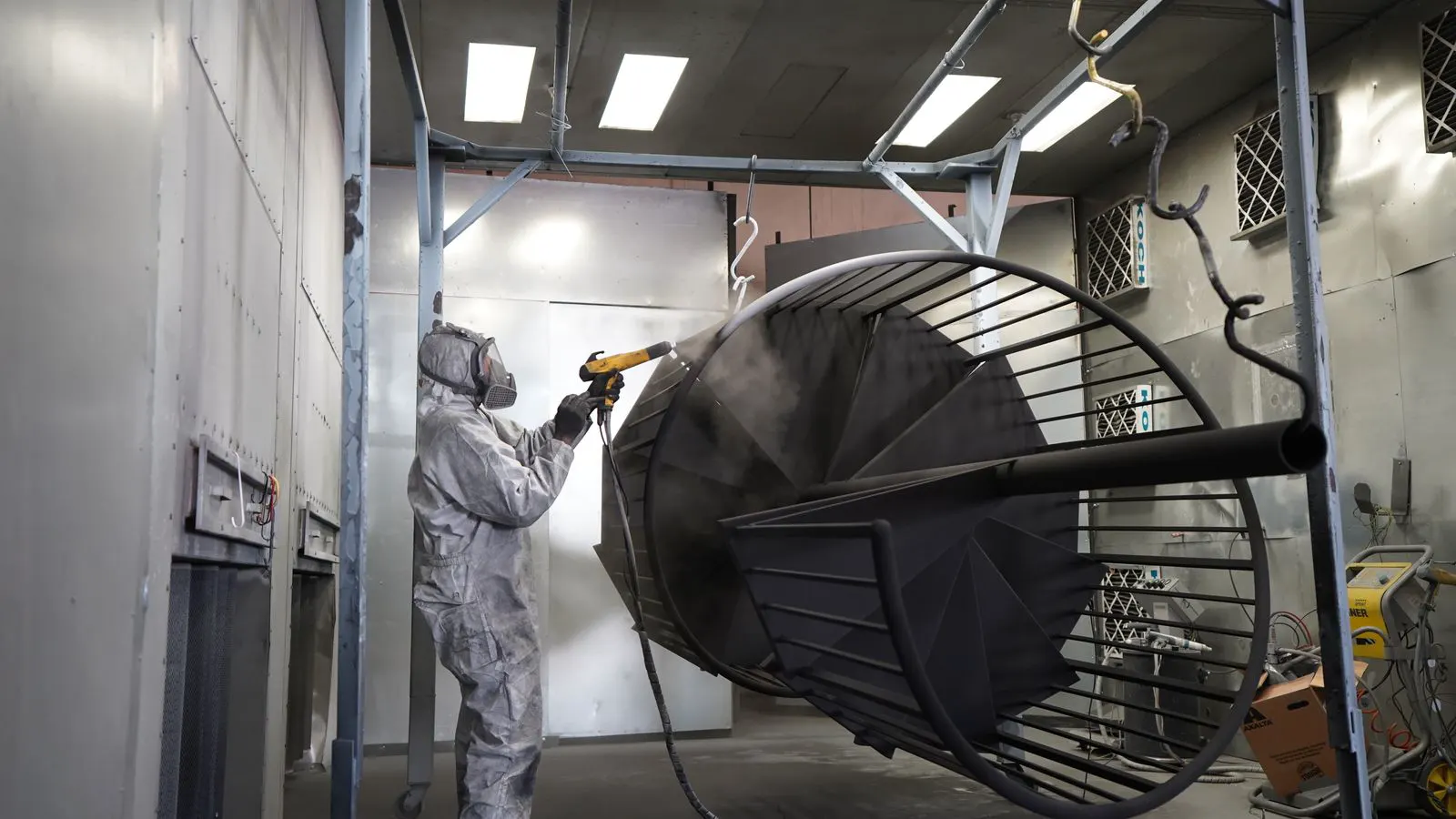
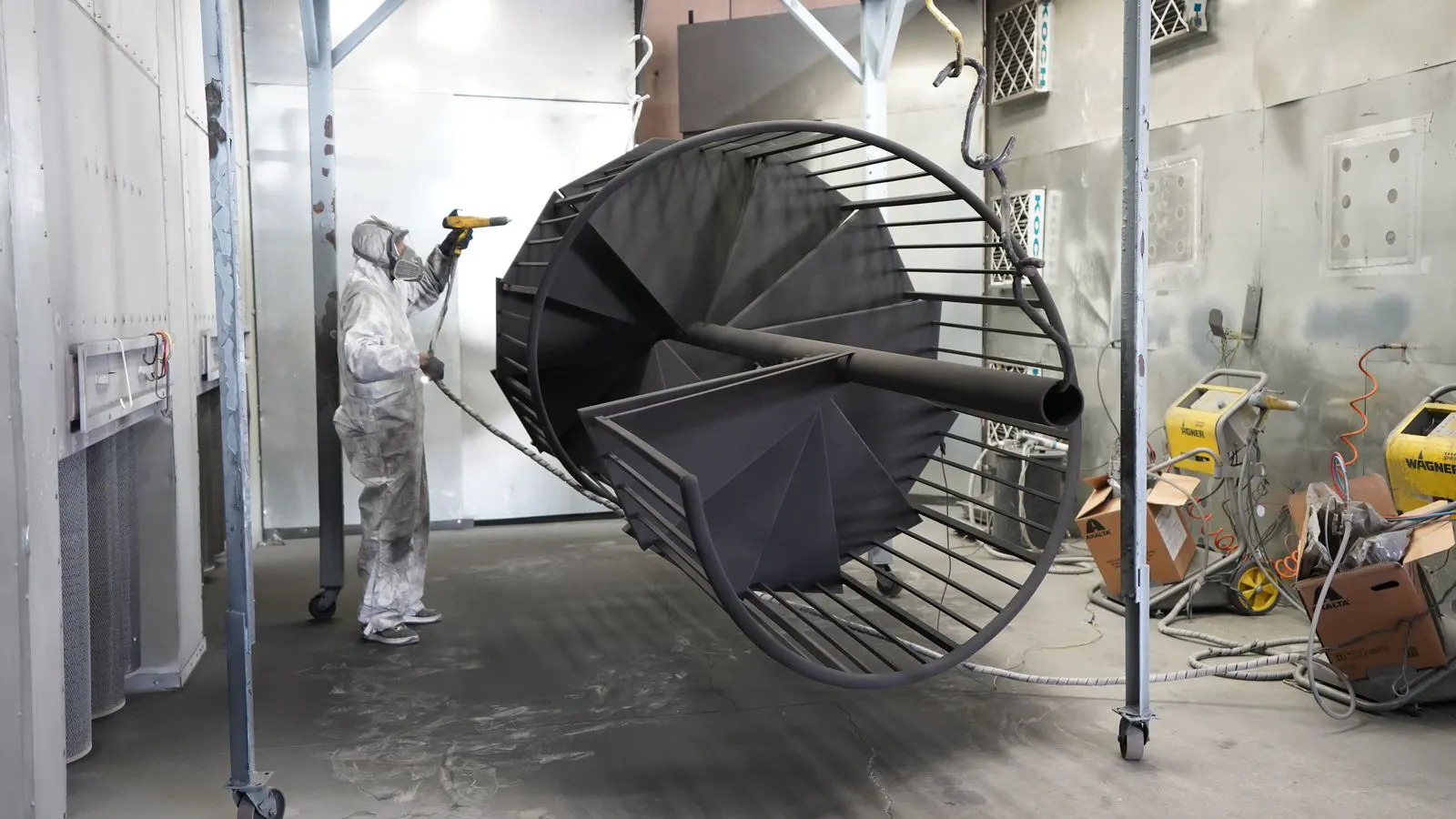
Micro-coating refers to applying powder in thin, controlled layers, often on small parts or complex geometries. It is not a single technology but a set of approaches that include electrostatic application on small parts, fluidized bed dipping for small components, and localized powder application systems.
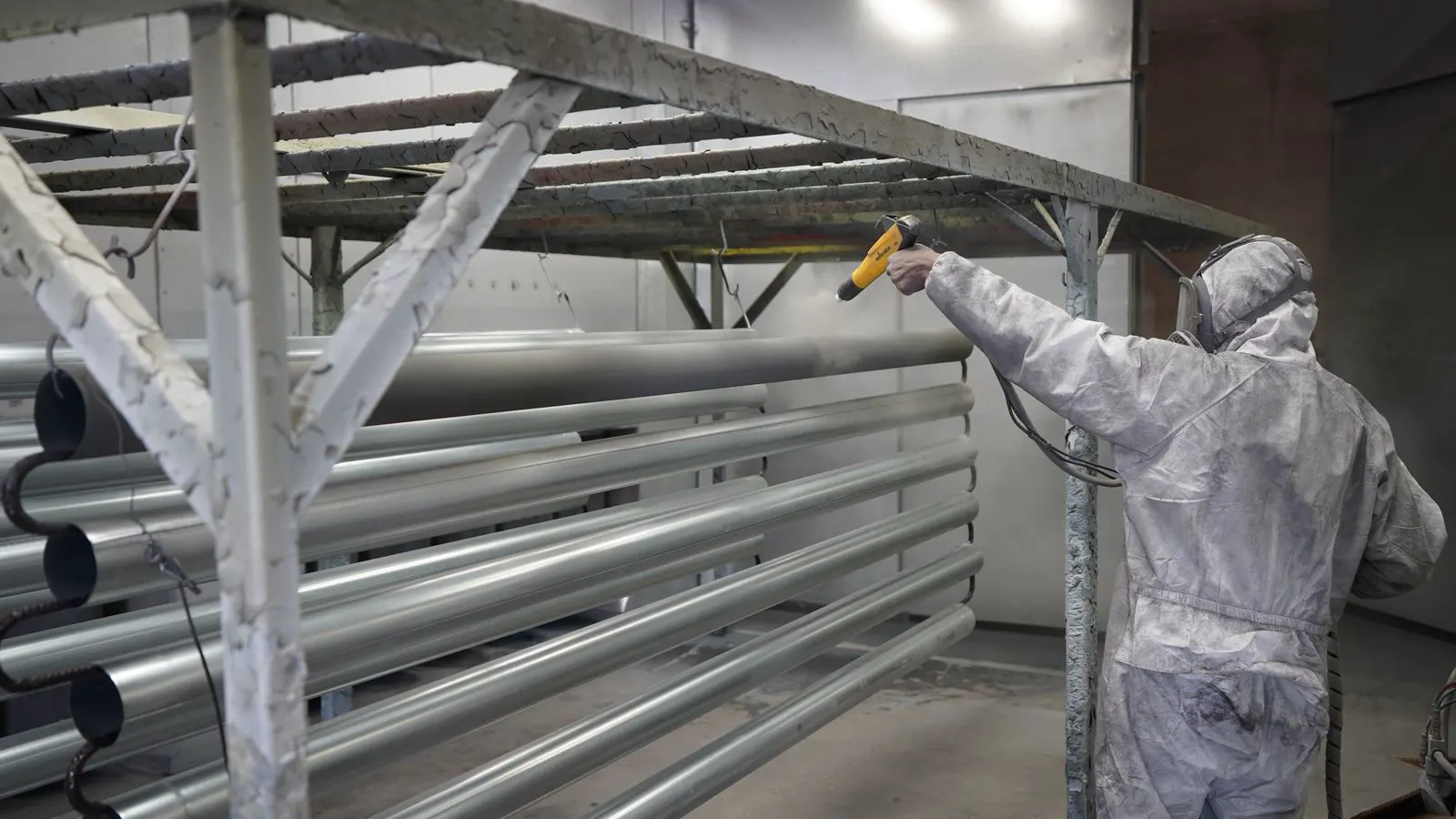
The core benefit is material control. In a standard powder coating booth, excess powder is wasted. In a micro-coating setup, the application is more targeted. That reduces waste and can lower the cost per part, even when the total volume is low.
For buyers, this changes the math. A part that was too expensive to powder coat in a small run may become viable if the coating system can apply powder without excessive overspray. The trade-off is usually setup time. Micro-coating systems often require more careful part positioning and process tuning.
The practical takeaway is to ask suppliers how they handle small batches. Do they run low-volume powder coating finishes through the same equipment as high-volume lines, or do they use dedicated micro-coating setups? The answer tells you a lot about quality consistency and lead time.
What sustainable trends are doing to low-volume powder coating
Sustainable trends are reshaping low-volume powder coating finishes in three areas: material sourcing, energy use, and waste handling.
The first is material sourcing. Powder coating resins are being reformulated to reduce volatile organic compounds and improve recyclability. Some suppliers are offering resins made from bio-based feedstocks. For low-volume runs, this matters because the customer may require documentation of the resin source, especially in regulated industries.
The second is energy use. Powder coating requires high temperature curing, typically in the range of 300 to 400 degrees Celsius. For small batches, the energy cost per part can be high. Sustainable trends are pushing suppliers to use more efficient ovens and heat recovery systems. This does not change the process, but it changes the environmental profile of the coating.
The third is waste handling. In a standard powder coating line, excess powder is captured and reused. In a low-volume run, the powder batch is smaller, and the risk of contamination or color mixing is higher. Sustainable practices require better segregation of powder batches and clearer documentation of what goes back into the recycling loop.
For procurement, this means the specification should include requirements for resin documentation, energy efficiency, and waste handling. It is not just about the final finish. It is about the process.
How to specify low-volume powder coating finishes without over-engineering
A common mistake is to specify low-volume powder coating finishes as if they were high-volume production. The specification becomes too rigid, and the supplier cannot offer practical options.
Start with the functional requirements. What is the part made of? What is the service environment? What is the required film thickness? What is the acceptable color tolerance? For low-volume powder coating finishes, color tolerance is often the first thing to give. A small batch of parts may have slightly different shade variation, and that is acceptable if the functional requirements are met.
Next, define the batch size. Is it 10 parts per month? 100? The answer changes the supplier selection. A supplier that specializes in micro-coating may be better for 10 parts, while a standard powder coating shop with a small batch capability may be better for 100 parts.
Finally, include inspection requirements. For low-volume runs, the inspection method should be simple and repeatable. A visual check under standard lighting, a thickness measurement at three points per part, and a cross-cut adhesion test on one part per batch is usually enough. Do not over-specify. The goal is to catch defects, not to create a paperwork burden.
A practical comparison of low-volume powder coating approaches
The table below compares three common approaches to low-volume powder coating finishes. The comparison is qualitative and based on typical industry practice. Your specific part and application may change the trade-offs.
| Approach | Best For | Typical Trade-offs | Documentation Needed |
|---|---|---|---|
| Fluidized bed dipping | Small, uniform parts with simple geometry | Limited color and finish options; parts must fit in the bath | Resin spec, film thickness, cure time |
| Electrostatic small-batch booth | Parts with moderate complexity and color requirements | Setup time per batch; color changeover can be costly | Color spec, film thickness, cure profile |
| Localized powder application | Complex parts, small components, or multi-color needs | Higher process control required; supplier expertise matters | Application method, film thickness, adhesion test |
The choice depends on the part, not the volume alone. A small bracket with a simple shape may work well in a fluidized bed. A complex housing with multiple colors may need localized application. The procurement team should review the part drawing with the supplier before finalizing the specification.
How to prepare your supply chain for these shifts
Preparing for low-volume powder coating finishes is not about buying new equipment. It is about adjusting how you specify, source, and inspect.
-
Review your current specifications. Identify any parts that are currently coated with liquid spray or hand finishing but would benefit from powder coating. List the functional requirements, batch size, and quality expectations.
-
Talk to two or three suppliers. Ask how they handle low-volume powder coating finishes. What equipment do they use? How do they manage color changeover? What documentation do they provide? The answers will tell you if they are set up for your needs.
-
Build a small pilot. Order a small batch of parts through your chosen supplier. Inspect the finish under standard conditions. Measure the film thickness. Test adhesion. This pilot will reveal issues that are not visible in the specification.
-
Update your quality plan. Add a simple inspection sheet for low-volume powder coating finishes. Include the visual check, thickness measurement, and adhesion test. Keep it short. The goal is to catch defects, not to create a paperwork burden.
-
Review your sustainability requirements. If your customer requires documentation of resin source or energy use, include that in the specification. If not, consider adding it as a future option. The process is changing, and your supply chain should keep pace.
What to watch for in the next few years
Low-volume powder coating finishes are not a one-time shift. They are part of a broader move toward more flexible, sustainable, and traceable coating processes.
The next shift will likely be in automation. Small-batch powder coating is still labor-intensive. Part loading, positioning, and inspection are done by hand. As automation improves, the cost per part will drop, and the lead time will shrink. Buyers should watch for suppliers that offer automated loading and inspection for small batches.
The second shift will be in materials. Resin formulations will continue to improve. Expect more options for low-VOC, bio-based, and high-performance resins. The key is not the resin itself, but the documentation that comes with it. If your customer requires proof of sustainability, you need a supplier who can provide it.
The third shift will be in data. Low-volume runs are hard to track. Each batch is unique, and the process parameters can vary. As data logging becomes more common, buyers will have better visibility into the coating process. This will reduce risk and make quality claims more credible.
For procurement managers, the practical step is to keep an eye on these trends without over-investing. Build flexibility into your specifications. Choose suppliers who can adapt. And make sure your quality controls are simple enough to work for small batches.
Low-volume powder coating finishes are here to stay. The goal is to prepare for them as a standard part of your sourcing plan, not as a special project.
Frequently asked questions
What is the minimum batch size for low-volume powder coating finishes?
There is no single minimum. It depends on the supplier and the equipment used. Some micro-coating setups can handle as few as 5 to 10 parts per batch. Standard powder coating booths may require a larger batch to make the setup time worthwhile.
Can low-volume powder coating finishes meet the same durability as high-volume production?
Yes, if the process is controlled. The film thickness, cure profile, and adhesion must be the same as for high-volume runs. The main difference is process control, not the final performance.
How do sustainable trends affect the cost of low-volume powder coating finishes?
Sustainable practices can increase the cost per part, especially for small batches. The added documentation, energy efficiency, and waste handling requirements add overhead. The trade-off is often a long-term benefit in regulatory compliance and customer trust.
Do I need to change my specification to add low-volume powder coating finishes?
Yes, but not drastically. Add the batch size, functional requirements, and inspection method. Keep it short. The goal is to make the specification work for small batches, not to create a new standard.
How do I know if a supplier is set up for low-volume powder coating finishes?
Ask how they handle small batches. What equipment do they use? How do they manage color changeover? What documentation do they provide? If they treat low-volume powder coating finishes as a special project, they may not be the right fit. If they have a standard process for it, they are.