Buyers Guide to Industrial Coatings for Cost Control
Cost control in industrial coatings depends on matching product performance to surface requirements. This guide provides a framework for evaluating coverage, application method, and total project cost. It helps buyers avoid over-specification and under-estimating prep work.
- Total cost includes surface preparation, application labor, and material, not just the coating price per liter.
- Higher coverage products reduce rework, but over-specification increases material spend.
- Evaluate supplier lead times and minimum order quantities before finalizing a coating selection.
- Use a structured criteria table to compare options objectively across performance and cost factors.
- Document coating selection and application standards to prevent disputes and ensure consistent results.
Industrial coatings selection often starts with a price comparison sheet. That approach misses the larger picture. A cheaper product that requires more coats, longer drying time, or extra surface preparation can cost more than a premium system that performs as specified.
Buyers need a clearer method to compare options. This guide focuses on how to evaluate coatings based on coverage, application method, and total project cost. It provides a structured approach for reducing uncertainty and avoiding common procurement mistakes.
What Drives Coating Cost Beyond the Price Tag
Coating cost is not a single number. It includes material, labor, equipment, and surface preparation. A thin film coating may have a lower price per liter than a thick film system. However, the thin film may require multiple coats, increasing spray time and material handling.
Surface preparation accounts for a large share of total project cost. Grinding, blasting, or chemical cleaning before application often takes more time and labor than the coating itself. A buyer who selects a coating without understanding the prep requirements may underestimate the total outlay. For example, a high-performance epoxy system might require near-white abrasive blasting to achieve proper adhesion. If the steel is only lightly degreased or wire brushed, the coating will fail prematurely. The cost of that failure, including stripping, re-prep, and re-application, far exceeds the initial savings of using a less demanding product.
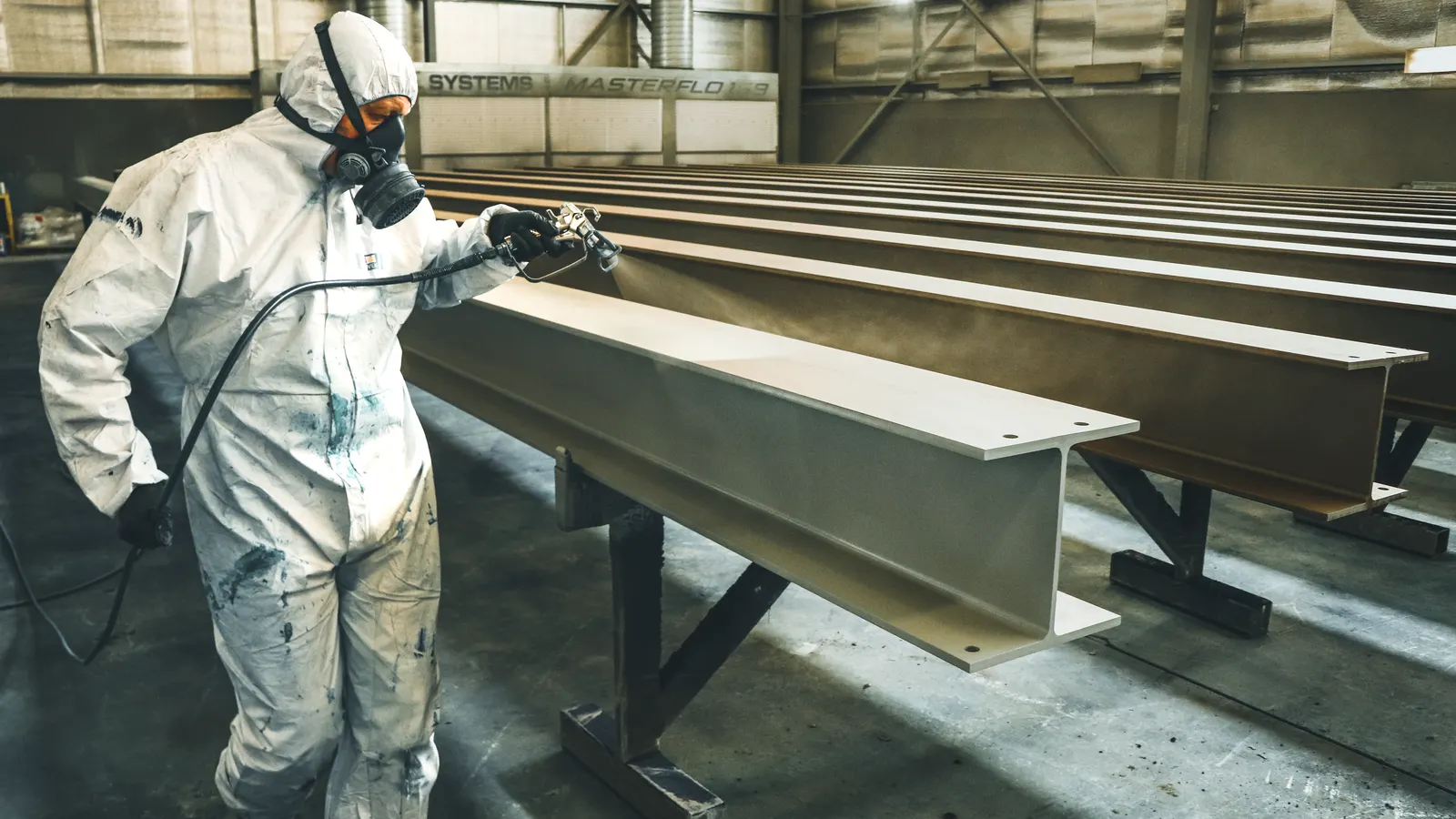
Application method also changes the cost equation. Spray application allows faster coverage but requires PPE and ventilation. Brush or roller application may be cheaper for small areas but slower for large projects. The choice depends on the surface geometry and the required film thickness. Consider a large storage tank versus a small control panel. The tank requires airless spray equipment, which is expensive to rent and requires certified operators. The panel can be handled with a brush and thinner material, but the labor hours will be significantly higher.
How to Evaluate Coverage and Film Thickness
Coverage is a key factor in cost control. It determines how many coats are needed to reach the required film thickness. A coating with high solids content may deliver more coverage per liter than a water-based product. However, the difference is not always large enough to justify a premium price.
Check the manufacturer’s data sheet for recommended film thickness per coat and total dry film thickness. Compare these values across options. A product that requires two coats of 150 microns may cost more in material than a product that achieves 300 microns in two coats of 150 microns. The labor cost for the second coat also matters.
Consider the surface type. Porous surfaces absorb more material than smooth, non-porous ones. A coating that performs well on steel may need adjustment for concrete or wood. Test on a small area before committing to a full project.
To evaluate coverage accurately, look at the solids percentage. If a coating is 50% solids, half the material evaporates or cures away. A 60% solids product delivers more dry film per liter. This means fewer liters are needed to cover the same area. However, higher solids often come with higher viscosity, which may require thinner systems or specialized equipment. This can offset the material savings with increased equipment costs.
Film thickness measurement is critical. Do not rely on visual inspection. Use a calibrated dry film thickness gauge to verify the actual build after curing. Inconsistent film thickness can lead to premature failure. For instance, a spot that is too thin may rust through, while a spot that is too thick may crack or remain soft. The data sheet will specify the minimum and maximum dry film thickness. Stay within those limits to ensure performance and cost efficiency.
Comparing Application Methods for Cost Efficiency
The application method affects both cost and final quality. Spray application is common for large industrial projects because it covers area quickly. It also allows for even film thickness. However, it requires skilled operators, proper equipment, and a controlled environment.
Brush and roller application are more labor intensive but require less equipment. They work well for small repair jobs or areas with complex geometry. They are not always cost effective for large surfaces.
Dip and flow coating are used in manufacturing lines for high volume production. They reduce labor cost per unit but require significant upfront capital. The method is not always practical for one off projects.
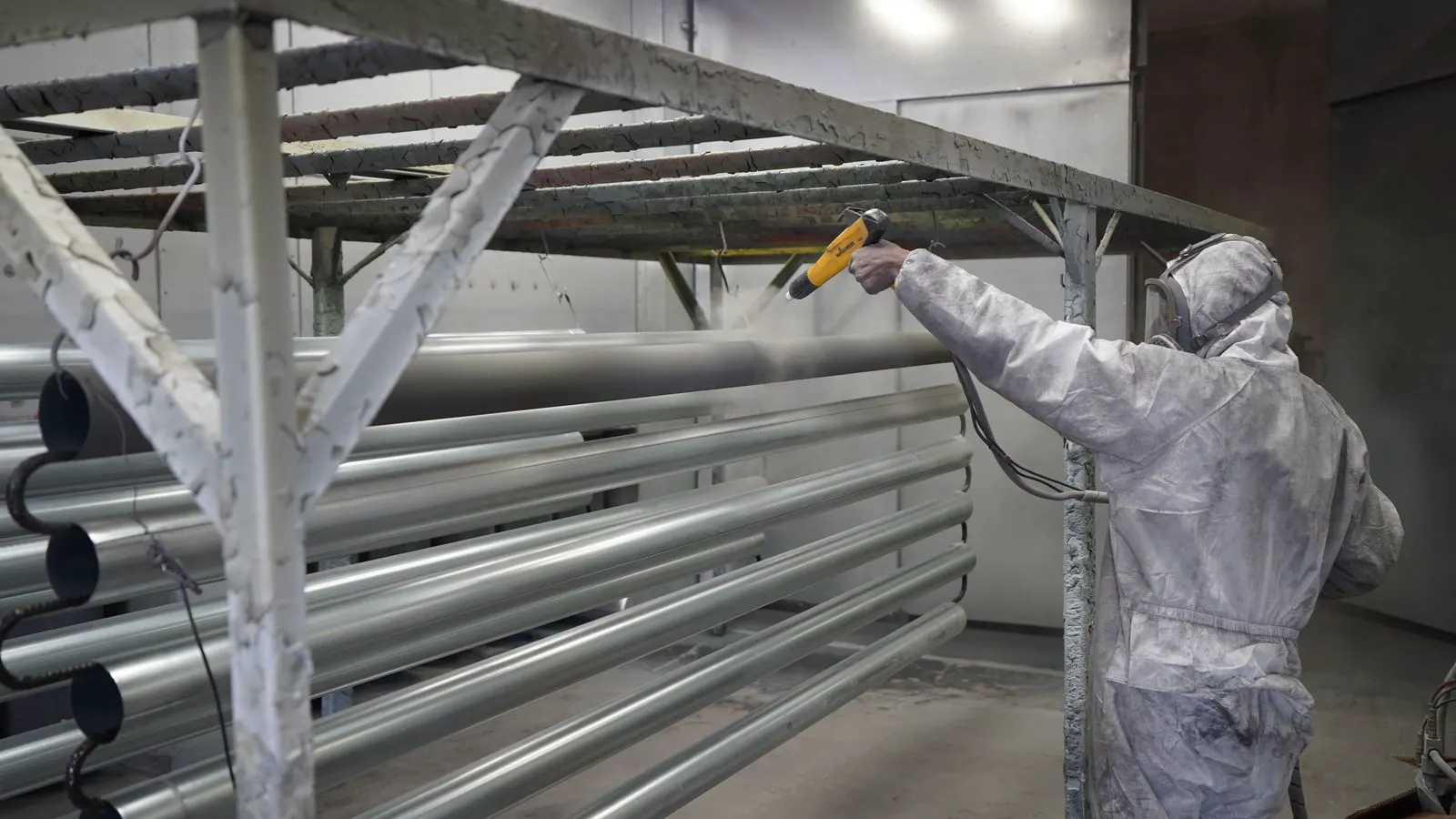
Powder coating is an alternative that some buyers consider for cost control. It produces a thicker film in one application and has low waste. However, it requires oven curing, which adds energy cost. It is not suitable for all materials or temperatures.
When comparing methods, consider the total cycle time. Spray application is fast per square meter, but the setup and cleanup time can be significant. If the project involves many small, isolated parts, the time spent moving the spray gun between parts adds up. Brush application is slower per square meter but requires no setup. For a batch of 50 small brackets, brush application might be more cost effective than setting up an airless spray system.
Equipment availability is another factor. If the site lacks the necessary ventilation for solvent-based spray, the cost of bringing in temporary enclosures or portable air filtration units can be high. In such cases, a water-based system that can be applied with a roller might be more practical, even if the material cost is slightly higher.
Using a Criteria Table to Compare Options
A structured comparison helps buyers move beyond gut feeling. The table below lists key criteria for evaluating industrial coatings. It also explains why each factor matters.
| Criterion | What to look for | Why it matters |
|---|---|---|
| Film thickness per coat | Check data sheet for dry film thickness | Determines number of coats and total material use |
| Surface preparation requirements | Identify need for blasting, grinding, or chemical cleaning | Prep work is often the largest cost component |
| Drying and curing time | Review time to next coat and full cure | Affects project schedule and equipment availability |
| Application method compatibility | Confirm if product works with spray, brush, or roll | Influences labor cost and equipment needs |
| Minimum order quantity | Check supplier MOQ and price tiers | Affects cash flow and flexibility for small projects |
| Lead time | Confirm production and shipping time | Delays can stall the entire project schedule |
This table gives a baseline for comparison. It does not replace testing, but it helps identify red flags early.
How to Estimate Total Project Cost
Estimating total cost requires a breakdown of all components. Start with the surface area to be coated. Apply a waste factor based on the application method and surface complexity. Then multiply by the coating price per liter or kilogram.
Add the cost of surface preparation. This includes labor, abrasive media, and equipment rental. For large projects, the prep cost can equal or exceed the coating cost.
Include labor and equipment. Spray equipment may need to be rented or purchased. Labor rates vary by region and skill level. A small increase in drying time can mean an extra shift or a longer project duration.
Consider disposal and compliance. Some coatings require hazardous waste handling. This adds cost to the project. Check local regulations before finalizing a selection.
To refine the estimate, calculate the area accurately. Measure the length, width, and height of the object. Multiply to get surface area. Add 20% to 30% for waste and overspray, depending on the method. For complex shapes with many corners and edges, the waste factor should be higher. If the surface is flat and accessible, the waste factor can be lower.
Labor costs should be itemized. Separate the cost of preparation from the cost of application. For example, if blasting a steel frame takes 10 hours and application takes 5 hours, the labor cost is split accordingly. If the coating has a long pot life, the application time may be longer due to the need to re-mix the material.
Equipment costs include rentals and consumables. If using an airless spray gun, include the cost of the tip, filter, and hose. If using a roller, include the cost of the frame and rollers. These small items add up over the course of the project.
Common Mistakes That Increase Cost
Buyers often make mistakes that inflate cost. One is selecting a coating based on price per liter alone. This ignores coverage, number of coats, and application time.
Another is underestimating surface preparation. A poorly prepared surface can lead to poor adhesion, peeling, or rust. The cost of rework far exceeds the cost of proper prep.
Ignoring lead time is a third mistake. A low cost option may have a long production cycle. If the project has a fixed deadline, the delay can cause overtime or penalty costs.
Not testing the coating on the actual surface is a fourth error. Lab conditions do not match field conditions. A test panel can reveal issues that a data sheet misses.
A common mistake is assuming that a single coating system will work for all parts of a project. A steel tank, a concrete floor, and a wood frame each have different requirements. Using one product for all three may result in poor performance on one or two of them. It is better to select a system for each material and calculate the total cost accordingly.
Another error is ignoring the environmental impact on cost. Some coatings require special disposal due to high VOC content. This can add significant waste management costs. If the site is in a regulated area, the cost of compliance may be high. Choosing a low-VOC or water-based system may reduce these costs, even if the material price is slightly higher.
A Decision Checklist for Cost Control
Use the following checklist before finalizing a coating selection. It helps ensure that all cost factors are considered.
- Confirm the required dry film thickness and performance standards.
- Identify the surface type and current condition.
- Estimate the surface area and apply a waste factor.
- Review data sheets for coverage, drying time, and prep requirements.
- Compare at least three options using the criteria table.
- Get quotes that include material, labor, and prep.
- Check supplier lead time and minimum order quantity.
- Plan a test application on a small area.
- Review compliance and disposal requirements.
- Document the final selection and application standard.
This process takes time, but it reduces risk. It also creates a clear record that can be used for future projects.
Frequently asked questions
Can I save money by choosing the cheapest industrial coating?
Not always. A low price may be offset by higher prep costs, more coats, or longer drying time. Evaluate the total cost, not just the material price.
How does surface preparation affect the total cost of a coating project?
Surface preparation is often the largest cost component. It includes labor, equipment, and materials for cleaning or roughening the surface.
What is the best application method for cost control?
It depends on the project size and surface type. Spray is efficient for large areas. Brush or roller can be cheaper for small jobs.
How many coats do I need for industrial coatings?
The number of coats depends on the required film thickness and the product's coverage per coat. Check the data sheet for these values.
How long does it take to get a quote for industrial coatings?
Quotes can take from a few days to a few weeks, depending on the supplier and project complexity. Confirm lead time before finalizing a selection.