Future Trends in Industrial Coating Cost and Coverage
Coating cost trends are shifting toward higher raw material volatility and tighter coverage demands. Future outlook planning requires tracking resin prices, adopting digital coating controls, and revising DFT specifications to maintain project margins without sacrificing protection.
- Coating cost trends are moving toward higher raw material volatility, making resin and pigment sourcing the biggest budget risk.
- Coverage efficiency gains are coming from digital application controls and stricter film thickness standards rather than cheaper thin-film products.
- Buyers should prepare by re-evaluating DFT specifications, adopting real-time monitoring, and diversifying supplier base.
- Future outlook planning requires balancing protection performance with thinner-film technologies that reduce material use.
- Long-term contracts and material price indices are becoming standard tools to stabilize coating budgets.
Coating cost trends are no longer driven by simple labor rates and paint prices. Raw material volatility, stricter environmental rules, and thinner-film technologies are reshaping how industrial coatings are priced and applied. Buyers who plan only on last year’s quotes will find their budgets off. The shifts below matter for any project that depends on stable cost and reliable coverage.
Will raw material costs keep driving price swings?
Yes. The largest cost pressure is coming from resins, pigments, and solvents. These inputs are tied to petrochemical markets, mineral availability, and regional energy prices. When any of those shift, coating manufacturers pass the cost through quickly, sometimes within a quarter.
The resin mix determines a large share of the final price. Epoxy, polyurethane, and polyaspartic resins each have different market drivers. Pigments add cost based on concentration and quality. Solvents, even in low-VOC systems, account for a significant portion of the formula weight.
Buyers should expect coating manufacturers to move away from fixed-price quotes on long projects. Index-linked pricing and quarterly re-negotiation clauses are becoming the norm. If your supplier offers a flat price for more than three months, ask what happens if a resin feedstock rises. A supplier who refuses to add an index clause is taking on market risk that may lead to reduced service later.
A practical response is to separate the coating bill into two parts. One part covers materials, which tracks market indices. The other covers labor and equipment, which remains relatively stable. This split makes it easier to model cost changes without re-pricing the entire project.
For example, if a project requires 10,000 square meters of epoxy coating, split the quote into the material cost per liter and the labor cost per square meter. If the material cost rises because of a petrochemical price adjustment, you only update the first number. The labor and equipment costs stay the same. This prevents the entire budget from being thrown off by a single variable.
Also, check the validity period of your quotes. Standard quotes often expire in 30 or 60 days. If your project timeline is longer, negotiate a longer validity period or a price protection clause. This protects you from short-term spikes that do not reflect your actual project schedule.
How will coverage efficiency change?
Coverage efficiency is being pushed higher by technology, not just by painting thinner. The industry is moving toward thinner-film systems that maintain protection with less material. This reduces cost per square meter and cuts waste from over-spray.
The gain is not free. Thinner films require tighter surface preparation, better film thickness control, and more consistent application. If the substrate is not clean or the spray pattern is off, a thin coat will fail faster than a thicker one. A thick coat can hide defects. A thin coat exposes them.
Buyers should treat coverage efficiency as a performance metric, not just a cost saving. Track dry film thickness, wet film thickness, and over-spray rate on each project. If the numbers drift, fix the process before the next batch.
Consider a concrete example. A steel structure coated with a standard epoxy system at 250 microns DFT might cost 1.5 times more than a high-performance system at 150 microns DFT. However, the 150 micron system requires a surface preparation standard of Sa 3.0, which is more expensive than Sa 2.5. If you use a cheaper prep method, the thin film will not bond properly. The cost savings in material are lost in rework and failure.
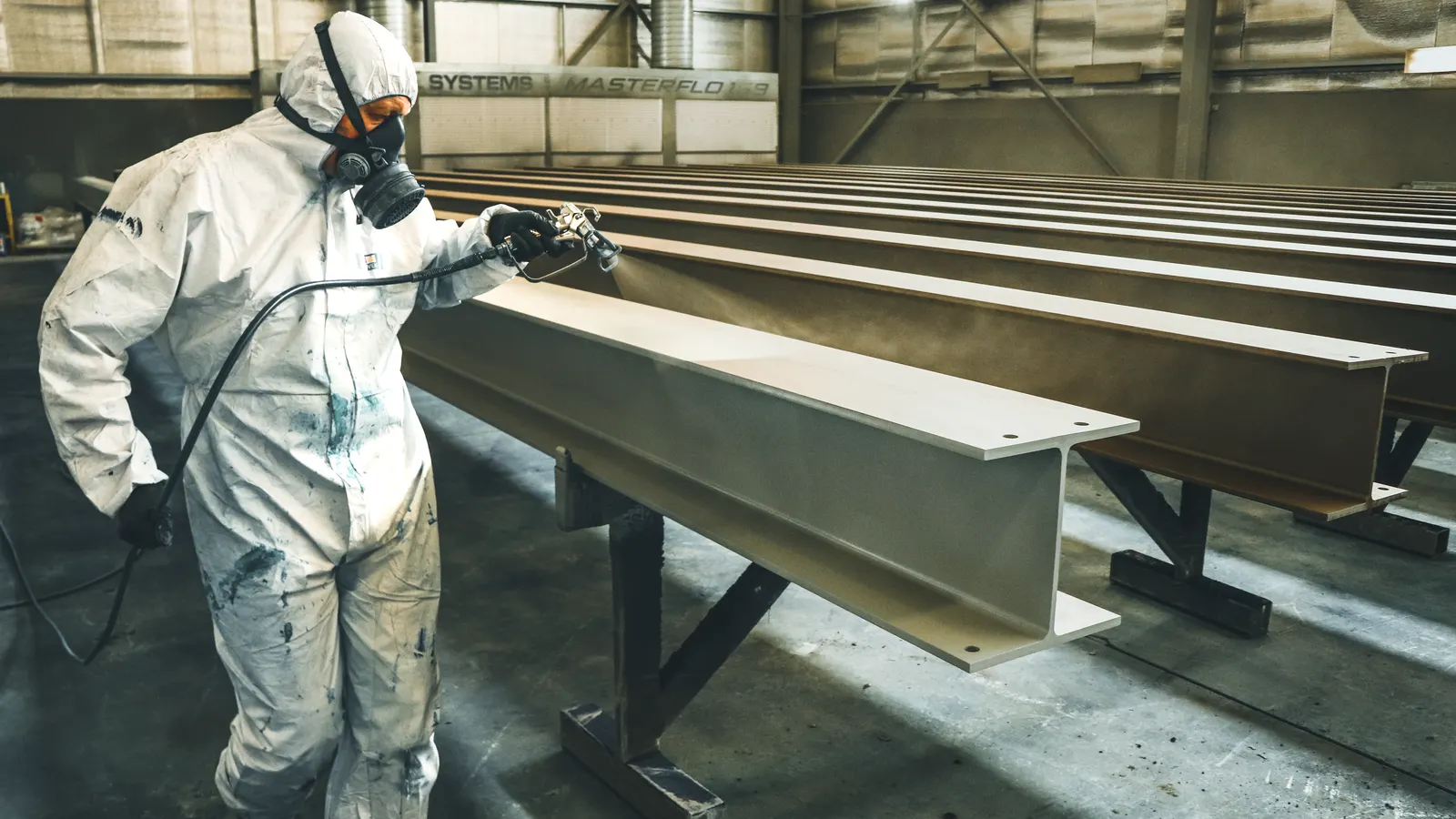
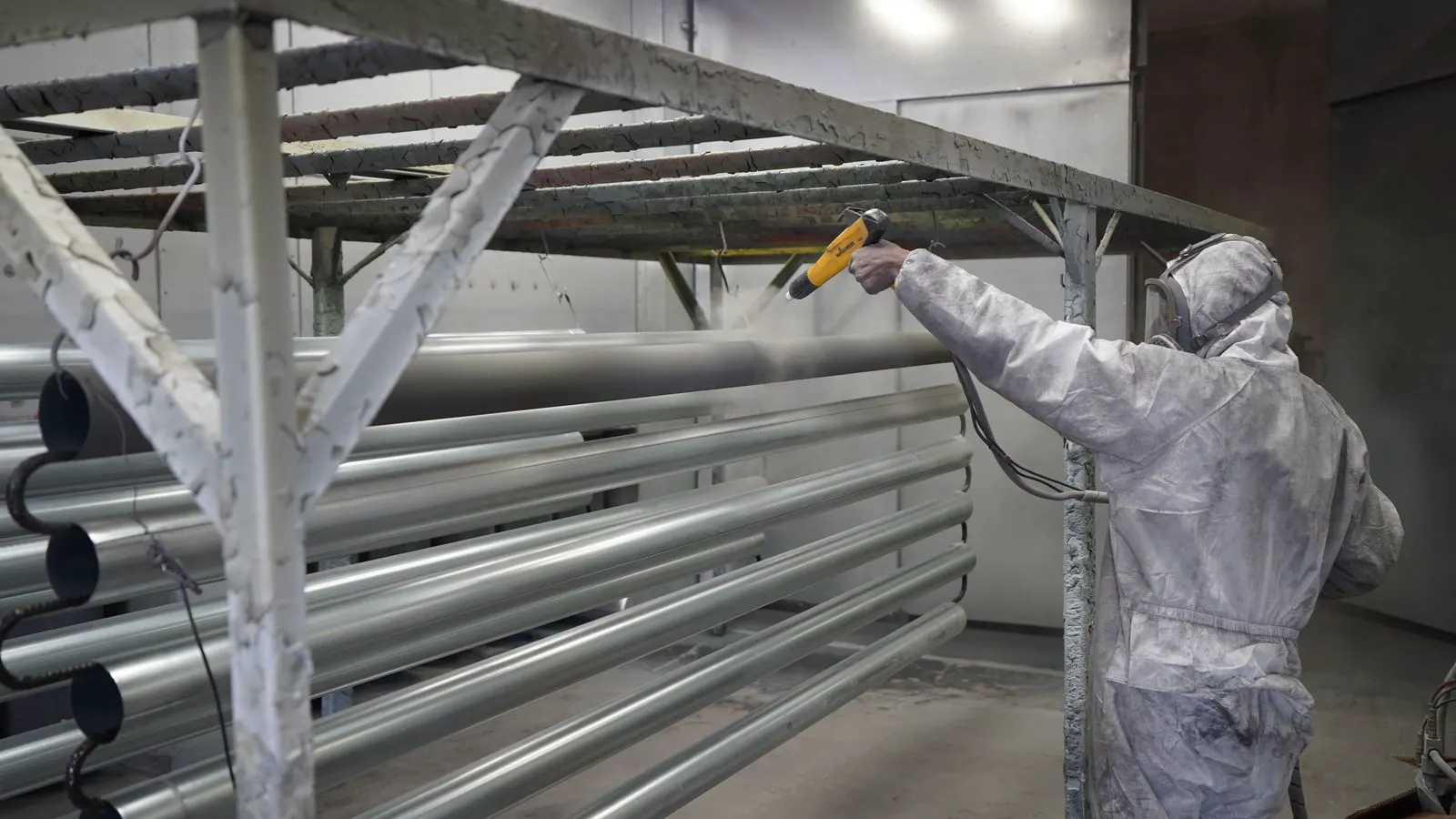
To improve efficiency, look at your application method. Airless spray is more efficient than conventional spray for thick films, but for thin films, high-pressure low-volume systems can reduce overspray by a significant margin. The key is to match the equipment to the film thickness.
Also, monitor the pot life of the material. If the pot life is short, you are wasting material every time you mix a new batch. For thin-film systems, pot life is often shorter because the solids content is higher. Plan your production schedule to minimize batch waste.
Will digital application controls lower costs?
Yes, but the savings come from consistency, not from a single gadget. Real-time monitoring of spray pressure, nozzle wear, and film thickness is becoming standard on larger lines. These systems flag drift before it becomes a visible defect.
The cost is upfront. Sensors, data loggers, and software require investment. The return is less rework and less material waste. On high-volume projects, the payback is short. On small jobs, the benefit is lower.
For smaller operations, a simple calibrated thickness gauge and a daily nozzle check can deliver much of the same benefit. The goal is to catch problems early. A single failed panel costs more than the monitoring setup.
Consider a production line for automotive parts. If the spray pressure drops by 5 percent, the film thickness drops by 10 percent. Without monitoring, this drift continues for hours. The resulting thin spots may not be visible immediately, but they will fail during salt spray testing. With real-time monitoring, the system stops the line when the pressure falls below the set point. The cost of the downtime is small compared to the cost of re-coating 1,000 failed parts.
For manual painters, a digital thickness gauge with a data log is a good starting point. Record the DFT at every panel. If the average DFT drops below the specification, stop and check the equipment. Do not wait until the end of the shift to find the problem.
Also, track the material usage per square meter. If you apply 1.5 liters per square meter when the specification says 1.2 liters, you are wasting 25 percent of the material. This waste is often due to poor technique or equipment issues. Fix the root cause, not the symptom.
Are environmental rules changing the cost structure?
They are. Low-VOC and water-based systems are replacing some solvent-based coatings in regulated environments. The raw materials are different, and the application process is different too. Water-based systems need different drying times and sometimes different surface prep.
The cost impact is mixed. Some water-based systems are cheaper per liter. Others require longer drying cycles, which slows line speed. The net effect depends on your production schedule and local energy costs.
Buyers should ask suppliers for a full cost comparison, not just the paint price. Include drying time, labor, and any required equipment changes. A cheaper product that slows the line by 15 percent can cost more in labor than the savings in material.
For example, a solvent-based epoxy might dry in 30 minutes. A water-based equivalent might take 4 hours to reach the same hardness. If your production line is running 24/7, the 4-hour delay means you need more space for drying. This increases the capital cost of the facility. If you cannot afford more space, you must reduce the line speed. The labor cost per unit increases.
Also, check the surface preparation requirements. Water-based coatings are more sensitive to contamination than solvent-based ones. Oil, grease, or dust on the substrate can cause adhesion failure. You may need to add an extra cleaning step, such as solvent degreasing or alkaline washing. This adds labor and equipment cost.
Environmental rules also affect disposal. Solvent-based coatings generate waste that requires special handling. Water-based systems produce less hazardous waste, but the wastewater may need treatment. Factor in the disposal costs when calculating the total cost of ownership.
How will specification changes affect long-term cost?
Thinner-film systems are changing how buyers specify coatings. The old approach was “apply a thick coat.” The new approach is “apply the correct thickness with the correct process.” This shift moves cost from material to process.
A coating specified at 200 microns with a standard system costs more in material than one specified at 120 microns with a high-performance system. But the 120 micron system needs a cleaner substrate and a tighter application window. If you skip the prep, the thin coat fails.
The best practice is to write the specification around the performance goal, not the thickness alone. State the corrosion resistance, wear resistance, and service life. Then let the supplier choose the system and thickness that meets that goal. This keeps the spec flexible as technology improves.
For example, instead of specifying “500 microns of epoxy,” specify “corrosion resistance for 20 years in a marine environment.” The supplier might then recommend a high-performance epoxy at 250 microns with a specific primer system. This system might be more expensive per liter, but it lasts longer. The total cost of ownership is lower because you do not need to re-coat every 10 years.
Also, include acceptance criteria in the specification. Define what constitutes a pass. For example, “zero pinholes in a 1m x 1m area” or “DFT within 10 percent of the target.” These criteria help you verify the work and reduce disputes.
If your specification is too vague, you will pay for rework. If it is too strict, you will pay for waste. The balance is in the performance goal.
| Cost Driver | Current State | Future Direction | Buyer Action |
| Raw materials | Quarterly index changes | Long-term index contracts | Add index clauses to quotes |
| Application waste | Manual checks | Real-time digital monitoring | Calibrate gauges, track over-spray |
| Film thickness | 150-250 microns typical | 100-150 microns for high-perf systems | Re-spec DFT, verify prep |
| Environmental rules | Low-VOC preferred | Water-based standard in some regions | Compare full cycle cost |
| Labor | Fixed rate per area | Skilled techs for thin-film systems | Budget for training and supervision |
What does the future outlook mean for project planning?
The future outlook points to three shifts. First, costs will be more volatile, so fixed quotes will be less reliable. Second, coverage will be thinner but more demanding, so process control matters more than paint volume. Third, specification will move from thickness to performance, so the contract language needs to change.
The preparation is practical. Start by reviewing your current coating specifications. If they list only thickness and color, rewrite them to include performance targets. Then talk to two or three suppliers about index-linked pricing. Ask what happens when resin costs rise. Get that in writing.
For your next project, set a baseline. Record the actual dry film thickness, the over-spray rate, and the total material used per square meter. Compare that to the estimate. If the estimate is off by more than a small margin, find out why. That data is worth more than any industry report.
Consider a project for a chemical plant. The specification calls for a corrosion-resistant coating. The supplier quotes a fixed price. During the project, resin costs rise. The supplier increases the price by 20 percent. If you had an index clause, you would have expected this. If you did not, you would have been surprised. The lesson is to always include index clauses for long-term projects.
Also, plan for process changes. If you move to a thinner-film system, you need to train your painters. They must learn new techniques for application and inspection. Budget for this training. The cost of training is small compared to the cost of failure.
How to prepare your budget for the next cycle
Build a buffer into your coating budget. If your last project came in at 100 percent of quote, budget 110 to 115 percent for the next one. The extra covers index changes and minor process adjustments.
Split your budget into materials, labor, and equipment. This makes it easier to see where the variance comes from. If materials rise but labor stays flat, you know the problem is in the supply chain, not on the floor.
Review your supplier list. If you rely on one supplier for a key coating, add a second one. Even if you do not buy from the second supplier, having a qualified alternative gives you more use when pricing changes.
For example, if you use a specific epoxy for a critical bridge, have a second supplier qualified to apply the same system. If the primary supplier raises prices or reduces service, you can switch without delaying the project. This flexibility protects your budget and timeline.
Also, track your historical cost data. Keep a record of every project. Note the actual costs, the variances, and the reasons for those variances. This data helps you build a more accurate budget for the next project. It also helps you identify trends. For example, if your material costs are rising every year, you need to adjust your budget accordingly.
When to re-negotiate specifications
Do not re-negotiate every project. But do review specifications when any of these happen. A new coating system becomes available. A corrosion failure occurs in service. A new environmental rule applies. A competitor lowers the price.
Each trigger means the old balance of cost and performance no longer holds. Sit down with the supplier and the engineer. Ask what changed. Adjust the specification. Do not just accept a lower price with the same spec.
The goal is to keep the coating doing its job for the life of the asset. A cheaper coating that needs re-application in half the time is not cheaper. The total cost of ownership includes the re-coat labor, the downtime, and the risk of failure.
For example, if a new high-performance coating is available that lasts twice as long as your current system, it may be worth the higher upfront cost. The total cost over 20 years might be lower because you only need to re-coat once instead of twice. This is the benefit of performance-based specification.
Also, review your specifications after a failure. If a coating fails in service, analyze why. Was the preparation insufficient? Was the film thickness too thin? Was the application technique wrong? Use the findings to update the specification. This prevents the same failure from happening again.
Frequently asked questions
Will coating costs rise over the next few years?
Prices will likely stay volatile rather than rise in a straight line. Resin and pigment markets will keep causing swings. Buyers should plan for index-linked pricing rather than a flat rate.
Can I save money by using a thinner coating?
Yes, but only if the system and process are matched. A thinner coat with the wrong prep or application will fail early. The savings come from a high-performance system, not just less paint.
How do I know if a supplier's coverage claim is realistic?
Check the dry film thickness on your actual panels. Compare it to the spec. Track over-spray rate. If the numbers do not match the claim, the supplier is not controlling the process.
Are water-based coatings always more expensive?
No. Some are cheaper per liter. But they may need longer drying or different equipment. The total cost includes labor and cycle time, not just the paint price.
What is the first step to future-proofing my coating budget?
Rewrite your specifications to state performance goals instead of just thickness. Then get index-linked pricing from your suppliers. That gives you a clearer picture of future cost.